
Protein Powder for Teens: What a Pediatric Dietitian Wants Parents to Know
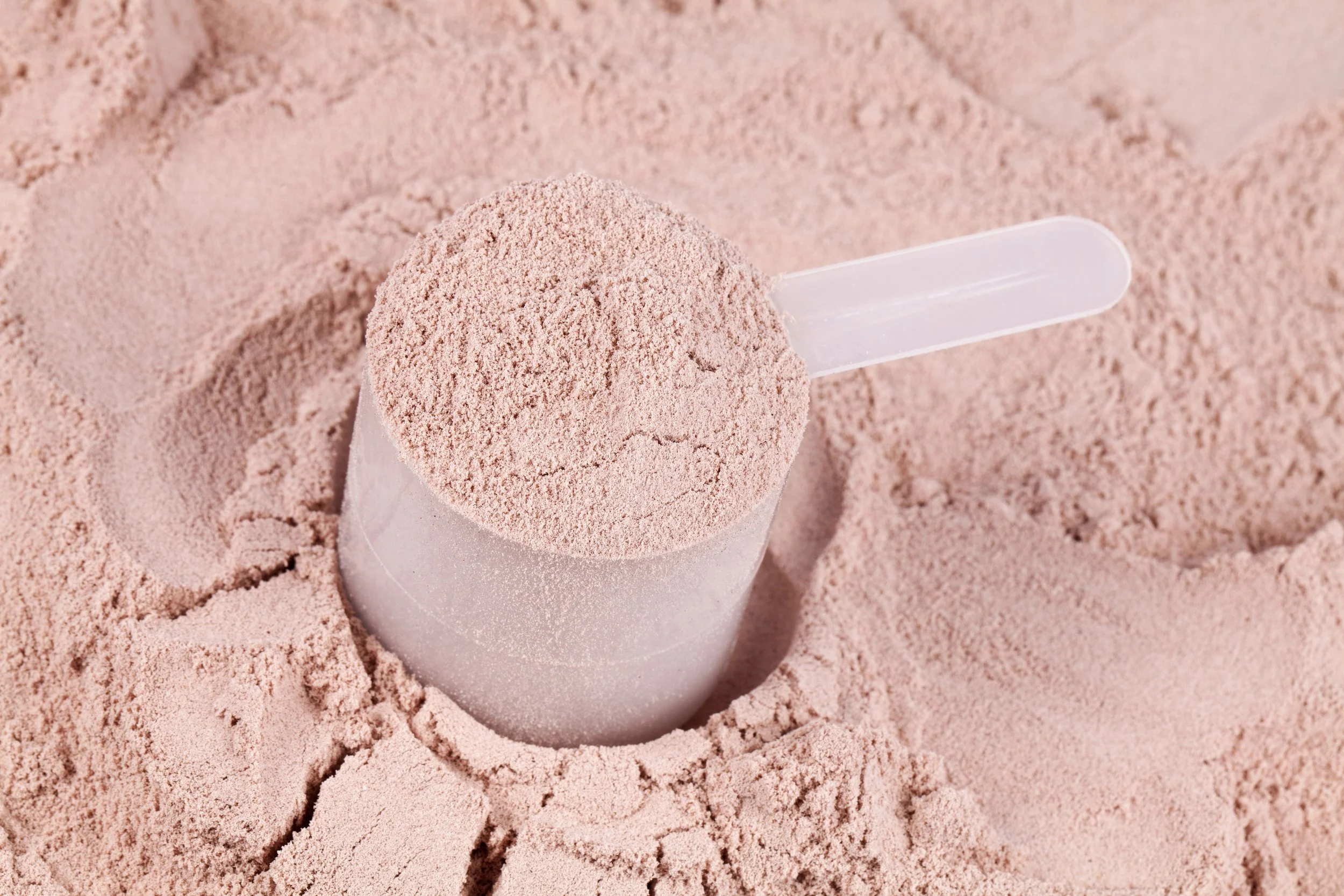
Protein has always been part of the sports nutrition conversation, but the way it is being discussed on social media feels different lately. Suddenly, there are protein shakes after practice, protein bars in backpacks, high-protein cereals at breakfast, and videos explaining how much protein someone “really” needs to build muscle.
As a pediatric dietitian, I agree that protein is important. Teenagers need it for growth, muscle development, tissue repair, and hormone regulation. But I am increasingly seeing how conversations about protein can become tangled up with body image, social media, restrictive eating, and the idea that more is always better. Spoiler alert: it isn’t.
As a mom of three teenagers, I see why this messaging can be confusing for parents and teens alike. We want to support our kids’ health and their sports, but we also don't want nutrition advice to become another source of pressure or rigid rules around food.
In this post, I’ll take a closer look at how much protein teens actually need, where (and if) protein supplements fit in, and how parents can tell the difference between a healthy interest in sports nutrition and eating habits that may be tipping over into rigid, overly restrictive territory.
Why Is Protein Suddenly Everywhere?
Some of the conversation about protein comes from sports culture, but much of it comes from social media. “Protein maxxing” is now part of the online nutrition vocabulary, alongside videos about building muscle, getting lean, changing body composition and eating as much protein as possible.
In a 2024 national poll from the University of Michigan's C.S. Mott Children's Hospital, 41% of parents said their 13- to 17-year-old had consumed a protein supplement in the previous year. That included protein bars, shakes, and protein powder.
Nearly half said their teens used protein supplements to improve sports performance, while building muscle was another common reason, particularly among boys. Some parents also reported that their teens were using protein supplements as meal replacements.
For some teenagers, a protein bar after practice may simply be a convenient snack. For others, it may be tied to pressure they feel to build muscle, change their body, improve their performance, or follow the nutrition rules they're seeing online.
These situations can look very similar from the outside, which is one reason I think the conversation needs to go beyond whether a teenager is getting “enough protein.”
How Much Protein Does a Teenager Need?
This is one of the questions I hear most often from parents. Protein needs vary with age, body size, growth, overall diet, and activity level.
The standard Recommended Dietary Allowance (RDA) for teenagers is based on body size, which is one reason blanket statements about how much protein every teen “needs” can be misleading.
For context, the RDA for protein for adolescents 14 to 18 is roughly 0.85 grams per kilogram of body weight per day. That number is a useful reference point, but it doesn't mean every teenager needs to calculate and hit a specific protein goal every day. In general, protein should make up about 10-30% of the daily caloric intake of children ages 4-18.
In practice, most teens (even vegetarians) can meet their protein needs through ordinary meals and snacks that include a variety of foods. Good sources of protein include lean meat and poultry, fish, eggs, cheese, tofu and tempeh, yogurt, beans, nuts and seeds, and peanut butter.
Teen athletes who are training hard may have higher protein needs than the general RDA, but that doesn't mean they definitely need protein powder. Even higher protein needs can still generally be met through regular meals and snacks, as long as a teen is eating enough overall.
And for a growing teenager, I am much more interested in the overall eating pattern than in whether they hit a particular number of grams of protein each day.
Do Teen Athletes Need More Protein?
When teenagers practice more frequently, they need more food to support training and growth. Protein matters, but so do carbohydrates, fats, and overall calories.
When an athlete consistently doesn't eat enough to support both training and growth, it can affect much more than how they feel at practice. Low energy availability can affect bone health, menstrual function, immune function, recovery, and injury risk.
The American Academy of Pediatrics emphasizes that young athletes need enough energy to support growth, daily life, and their sport. Carbohydrates are particularly important because they are a major source of fuel during exercise.
So if your teen finishes soccer practice and reaches for a protein shake, it may actually be more useful for them to grab a balanced, more substantial snack that includes carbohydrates, protein, and fat. A few of my favorite post-workout snacks include Toasty Chick Peas, No-Bake Chocolate Chip Oat Cookies, Baked Sesame Tofu, and Dijon Deviled Eggs.
Is Protein Powder Safe for Teens?
Protein powder may seem harmless because it is sold in grocery stores, gyms, and online. But parents need to understand that dietary supplements are regulated differently from medications.
The FDA does not approve dietary supplements for safety and effectiveness before they are marketed. Manufacturers are responsible for ensuring that their products are safe and properly labeled, while FDA oversight largely occurs after products reach the market.
If your healthcare provider recommends a protein powder, research carefully before you buy. Look for products with simple ingredient lists, transparent protein sourcing, reputable manufacturing practices, and third-party certifications such as NSF International, Informed Sport, or Informed Choice. It’s also worth researching the brand’s reputation and history to make sure you feel confident in the product you’re choosing.
When Does Nutrition Become Too Rigid for a Teen?
Learning about nutrition is not necessarily problematic. Wanting to feel strong, fuel a sport, or understand how food affects performance can be completely healthy. The concern is when nutrition starts becoming rigid.
Maybe your teen becomes anxious about missing a protein goal. Maybe they stop eating foods they used to enjoy because they are “too high in carbs.” Maybe they are constantly checking labels, calculating protein intake, skipping meals with friends, or refusing foods that don’t fit their rules.
A teen may be seeing all of this content on social media and genuinely believe they are just learning how to become a better athlete. Pay closer attention if you start to notice changes in your teen's mood, eating habits, exercise, or willingness to eat around other people.
Eating disorders do not always begin with an obvious desire to lose weight. Some teens begin with a desire to eat “better,” get stronger, improve athletic performance, or change the way their bodies look.
That is one reason I am careful about giving teenagers any “rules” around food, even when those rules sound nutritionally sophisticated.
What Should You Say When Your Teen Asks for Protein Powder?
Instead of immediately saying, “You don't need that,” try asking a few questions. “What are you hoping it will do for you?” “Are you feeling like you aren't getting enough food after practice?” “Did someone recommend it to you?” “What are you seeing online about protein?”
Those questions give you a chance to understand what is actually driving the request.
If your teen just wants a convenient snack after practice, you can discuss other options and make sure there is enough food available.
If they worry they aren't eating enough protein or are particularly picky, that's an opportunity to talk with their pediatrician or a pediatric dietitian who understands both sports nutrition and eating disorders.
If your healthcare provider or registered dietitian does recommend adding a protein powder into your child’s diet, there are many easy ways to incorporate it into foods they may already eat. Choose an unflavored powder that blends easily into several different recipes.
One of my favorite ways to use a protein powder is to blend one serving into a smoothie, like this Brain-Boosting Smoothie or Chocolate Cherry Smoothie. Another easy way to use an unflavored protein powder is to mix it into the dry ingredients for muffins, energy balls, bars, or pancakes before you add the wet ingredients.
What Should Teens Eat For Sports Practice?
For many families, one of the most helpful things you can do is make food accessible and easy to grab. Your teenager may walk in the door starving after school and have only 20 minutes before practice.
Keep a few satisfying options ready to go: sandwiches, leftovers, energy bites, yogurt and fruit, granola with milk, cheese and crackers, toast with nut or seed butter, muffins, smoothies, bars, or whatever foods your teen actually enjoys.
As a pediatric dietitian and mom of three, I’ve found that what matters is making sure teenagers have enough food and flexibility to participate in the sports they love without turning nutrition into another source of pressure.
Protein is important, but so are carbohydrates, healthy fats, and eating enough calories. Equally as important is being able to eat a slice of pizza with your teammates without wondering whether it “fits” into your macros.
Helping Teens Build a Healthy Relationship With Food
Protein is an important part of the diet of growing teenagers and young athletes, but it doesn't need to be the only nutrient they think about all day. What matters most is helping teens get enough food to support growth, activity, and recovery while keeping flexibility and enjoyment at the table.
If you're concerned that your teen's interest in protein, exercise, or nutrition is becoming more rigid, you don't have to figure it out on your own. I work with families to build a positive relationship with food and support healthy nutrition for growing kids and teens.
And if you're looking for more guidance on fueling an active child or teen, explore my sports nutrition resources for practical, food-first strategies you can use at home.
Thanks for reading!