
Back to School With Food Allergies: The Pediatric Dietitian-Approved Parent Checklist for 2026
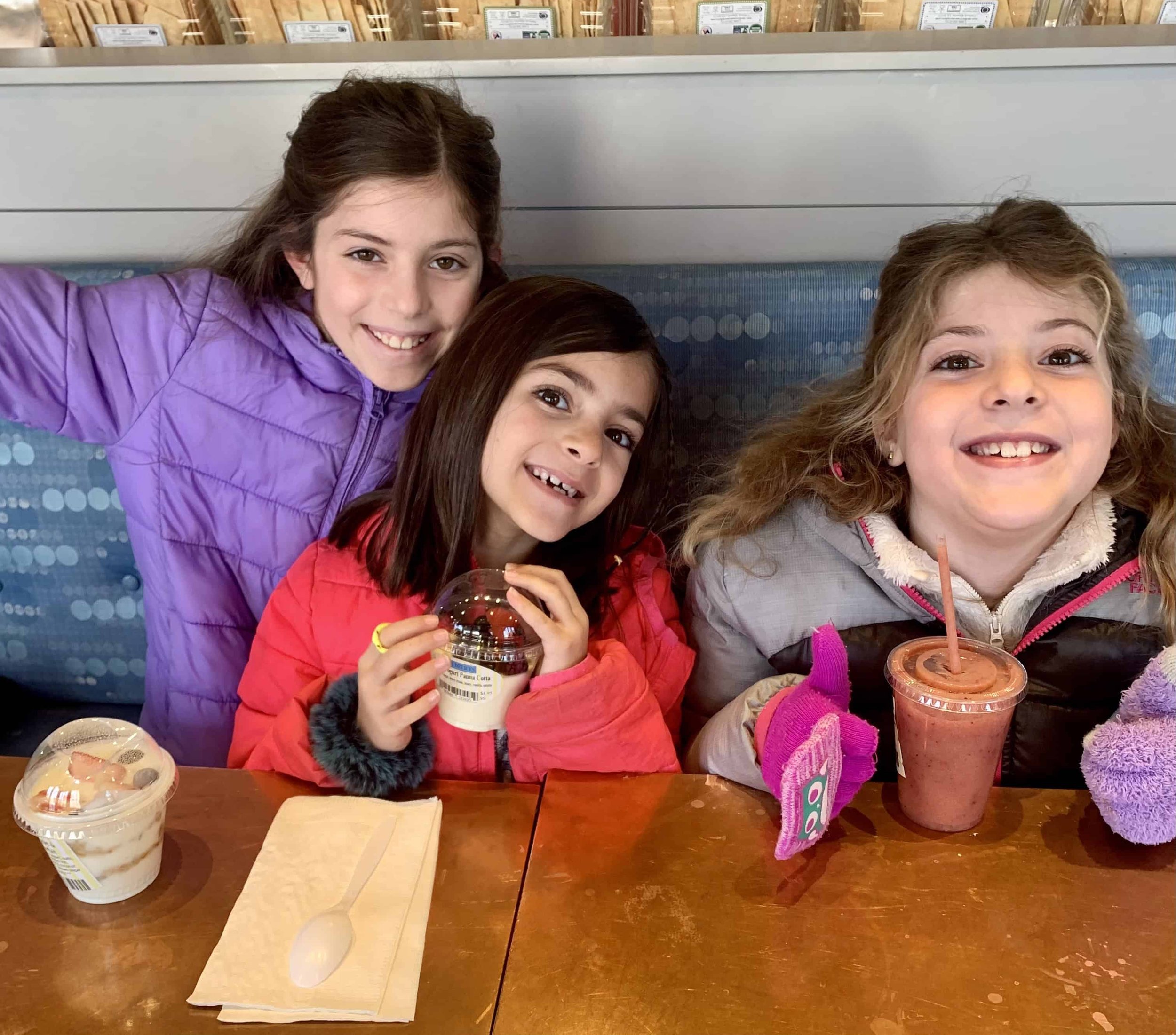
If your child has a food allergy, back-to-school shopping probably involves more than new shoes, lunch boxes, and a first-day outfit. There are allergy action plans to update, medications to check, teachers to talk to, and a whole new school year to think through.
You do not need to have every possible scenario figured out before the first bell rings. A little planning now can make the rest of the school year feel much more manageable.
This year, there is one more thing worth putting on your radar: the way schools stock and use emergency epinephrine is changing in some states. Newer epinephrine delivery options, including the nasal spray neffy, are prompting states to update their stock epinephrine laws, and eligible K-12 schools can now receive neffy for free through the neffyinSchools program.
In this post, I'll walk through the paperwork and medication checks to tackle before school starts, what's changing with epinephrine in schools, questions to ask about cafeteria and classroom food, and ways to help your child build self-advocacy skills. Consider this your all-in-one food allergy back-to-school checklist for 2026.
1. Start With the Paperwork
Before school starts, I would make sure your child's food allergy paperwork is up to date and that the right people at school have copies.
At a minimum, this usually means an up-to-date school food allergy action plan or emergency care plan, medication authorization forms, and any prescriptions or orders the school requires. Food Allergy Research & Education (FARE) recommends including allergy action plans and medication authorization forms in a student's IHP (Individualized Health Plan) and/or 504 plan, when appropriate.
An IHP focuses on how your child's healthcare needs will be managed at school, while a 504 Plan can provide formal accommodations and legal protections under federal civil rights law for eligible students with disabilities, including many children with life-threatening food allergies.
You don't necessarily need a 504 plan simply because your child has a food allergy. But if your child needs specific accommodations to safely access school, meals, field trips, classroom activities, transportation, or other parts of the school day, it is worth asking the school about whether a 504 evaluation makes sense.
2. Do a Medication Check Before the First Day
This is one of those things that is easy to put off until the night before school starts, but it is best to get it done a few weeks before the first day. Check the expiration dates on your child's epinephrine and make sure the school has the medication it needs.
Don’t forget to evaluate whether your child has grown since the prescription was last written. Children can gain a surprising amount of weight in a year, and epinephrine dosing is weight-based. If your child's weight has changed significantly since the last prescription, ask their healthcare provider whether the prescribed dose is still appropriate.
Also, check that your child's school has enough medication to support them through the school day, from the classroom to the cafeteria, after-school activities, field trips, and/or sports.
3. There Is a New Conversation About Epinephrine at School
For a long time, when most parents heard "epinephrine," they pictured an auto-injector pen. That is still an important option, but it is no longer the only FDA-approved way to give epinephrine outside of a medical setting.
The FDA approved neffy, an epinephrine nasal spray, in 2024 as the first non-injectable epinephrine treatment for anaphylaxis. It is approved for adults and children who weigh at least 15 kilograms, or about 33 pounds.
This matters for schools because stock epinephrine laws were originally written when an epinephrine device generally meant an auto-injector. Now, a growing number of states are updating their laws to use broader language such as "epinephrine delivery system," allowing schools to stock newer FDA-approved devices.
As of August 2026, 26 states have laws in effect that have broadened their language around stock epinephrine; seven more are scheduled to take effect by the end of August, and seven additional states have bills under consideration.
Schools also have a new practical reason to pay attention. The neffyinSchools program provides eligible K-12 schools with two cartons (four doses) of neffy at no cost, with replacement product available under the program when appropriate.
While this does not mean your child's personal epinephrine should be replaced with stock epinephrine, it is another layer of emergency preparedness.
When you talk with your school nurse, ask a few simple questions: Does our school have stock epinephrine? What type? And where is it kept? How quickly can someone trained to use it get to my child?
4. Ask About the Cafeteria and Classroom Parties
Food allergy safety is about more than having medication on the shelf. Ask your school how the cafeteria handles food allergies, how ingredient information is shared, and who your child should talk to if they have a question about a food. You may also want to know how the school handles classroom parties, celebrations, snacks, and special events.
Personally, I don't think every classroom needs to become completely food-free. But your child should know what the plan is when food shows up unexpectedly. That can be as simple as knowing who to ask, what foods are safe, where your child's medication is, and what to do if they think they have eaten something unsafe.
5. Pack a Lunch Your Child Will Actually Eat
If you are packing lunch for your food-allergic child, remember that the safest lunch is not particularly helpful if it comes home untouched. This is especially important when kids are eating around their peers. A lunch that looks familiar, tastes good, and doesn't make your child feel singled out is often more successful than the "perfectly balanced" lunch they refuse to open.
I would focus on a few familiar foods and snacks your child reliably eats, then build variety around them throughout the week. Try to avoid introducing five new foods in their lunchbox on the first day of school.
And if your child buys school lunch (link to the school lunch post once added in Squarespace), ask about allergy accommodations before deciding it isn't an option. Many schools have processes in place to help children with food allergies safely participate in the cafeteria.
6. Help Your Child Practice Self-Advocacy
The amount of responsibility your child can take will depend on their age, maturity, and developmental level. As a pediatric dietitian and mom of three, I’ve seen firsthand that every child gains independence at their own rate, but what generally works for a kindergartener will look very different from what works for a teenager.
For preschool and early elementary kids, self-advocacy might sound like: "I can't eat that. I have a food allergy. I need to ask my teacher." For older elementary kids: "I have a food allergy. Can you tell me if this contains my allergen?" For middle schoolers: "I need to check the ingredients before I eat this."
For teenagers, the conversation shifts to independence. Can they recognize symptoms? Do they know where their epinephrine is? Do they know when and how to use it? Do they feel comfortable telling a friend, teacher, coach, or restaurant worker about their allergy?
All of this takes practice, and the goal is to gradually help children build the skills they need over time. Back-to-school season is a great time to start.
7. Don't Ignore Food Allergy Bullying
There is another part of food allergy safety that doesn't get talked about nearly enough: how your child feels at school.
Food allergies can make kids feel different, embarrassed, or left out. Some children also experience teasing or bullying because of their allergy. FARE reports that about one in three children with food allergy report being bullied because of it.
Ask your child a simple question: "Has anyone ever made you feel bad about your food allergy?"
If the answer is yes, take it seriously. Talk with the teacher, school counselor, or administrator, and make sure your child's school has a plan to address food-allergy bullying, just as it would address other forms of bullying.
Your child should never feel like they have to hide an allergy to fit in.
The Bottom Line: Make a Plan, Then Let Yourself Breathe
Getting a child with food allergies ready for school can feel like a lot. There is paperwork, medication, meal planning, communication with teachers, emergency planning, and the emotional side of helping your child feel safe and included.
Start with the basics: update the school food allergy action plan, check the medication and dose, make sure the right people know what to do in an emergency, find out whether your school has epinephrine in stock, and talk with your child about what they can do for themselves. Then keep the conversation going throughout the year.
Food allergy management at school works best when parents, children, healthcare providers, teachers, school nurses, and administrators are all working from the same plan. And if you can get those pieces in place before the first day, you can send your child through the school doors feeling a little more prepared and a lot more confident.
Want to make back-to-school prep easier? Download my Food Allergy Back-to-School Checklist and use it to work through the paperwork, medication, cafeteria, classroom, and self-advocacy questions before the first day.
If you are looking for more resources to get your child prepared to head to school with a food allergy, check out these:
Food Allergy Awareness. Back-to-School Resources for Families
Food Allergy Research & Education (FARE): Food Allergy & Anaphylaxis Emergency Care Plan
If you’re interested in learning more about how and when to integrate foods into your baby's diet, as well as how to reduce the risk of food allergies during infancy, check out my new baby-led feeding + food allergy prevention guide and cookbook!
And if you're looking for personalized nutrition support for your babies or kids, I am currently accepting new clients in my virtual private practice and would love to meet with you.
Thanks for reading!
Food Allergy Back-To-School Checklist:
School Paperwork
Update your child’s Food Allergy Action Plan/Emergency Care Plan
Complete required medication authorization forms
Provide the school with current allergy and emergency paperwork
Update your child’s IHP or 504 Plan, if applicable
Share your child’s allergy plan with teachers, the school nurse, and other appropriate staff
Medications
Check epinephrine expiration dates
Confirm your child has the correct prescribed dose
Ask your healthcare provider about the dose if your child’s weight has changed significantly
Provide the school with all required medications
Make sure medication is available for field trips, sports, and after-school activities
School Emergency Plan
Find out whether your school stocks emergency epinephrine, what type, and where it is located
Confirm which staff members are trained to administer it
Confirm how your child’s prescribed epinephrine will be accessed in an emergency
Cafeteria & Classroom Food
Review the school’s food allergy procedures
Find out how ingredient information is provided
Review the plan for classroom parties, celebrations, and snacks
Identify who your child should ask about unfamiliar foods
Review available cafeteria allergy accommodations, if your child buys school lunch
Lunch & Snacks
Stock up on familiar, allergy-safe foods your child will actually eat
Plan a few go-to lunches and snacks for the first week
Involve your child in choosing and packing lunch, when appropriate
Self-Advocacy
Practice how your child will explain their food allergy
Practice asking before eating unfamiliar foods
Review allergy symptoms and what to do if they occur
Review when and how to use epinephrine, based on your child’s age and healthcare plan
Make sure your child knows where their medication is kept
Emotional Safety
Ask your child about teasing, bullying, or feeling left out because of their allergy
Report and address any food allergy bullying with the school
Before the First Day
Paperwork is complete
Medication is current
School staff know the emergency plan
Cafeteria and classroom food plans are in place
Lunches and snacks are ready
Your child has practiced age-appropriate self-advocacy skills