
Sports Hydration for Kids and Teens: What Young Athletes Actually Need to Drink

By Malina Malkani, MS, RDN, CDN. Registered dietitian nutritionist and mom of three. This post is sponsored by KinderFarms. All opinions and clinical recommendations are my own.
If you've ever stood in the beverage aisle before the first week of sports practice, looking for products that support hydration in young athletes, you know how confusing it can be. There are sports drinks, electrolyte drinks, powders, coconut water, energy drinks, and more, all promising to help your child stay hydrated. So, does your young athlete actually need any of them?
For most kids doing most types of practices and games, water is the best choice. However, there are situations when a young athlete may need more than plain water can provide, and knowing why and when can help you decide what to keep on hand.
In this post, my goal is to help you understand how to support hydration in young athletes, what the best beverage choices are, what to avoid, when water is enough, and when an electrolyte drink may make sense.
Quick answers
Water is enough for most activity under an hour, in mild weather, when your child can drink before and after.
Sports drinks and oral rehydration solutions are not the same thing. A sports drink is partly about fuel. An ORS is about absorbing fluid.
Aim for 12 to 20 ounces of water with a meal 3 to 4 hours before activity, and 6 to 8 ounces with a snack 30 to 60 minutes before.
Energy drinks are not recommended for children or teens, and they are not a hydration product.
Why does hydration matter for young athletes?
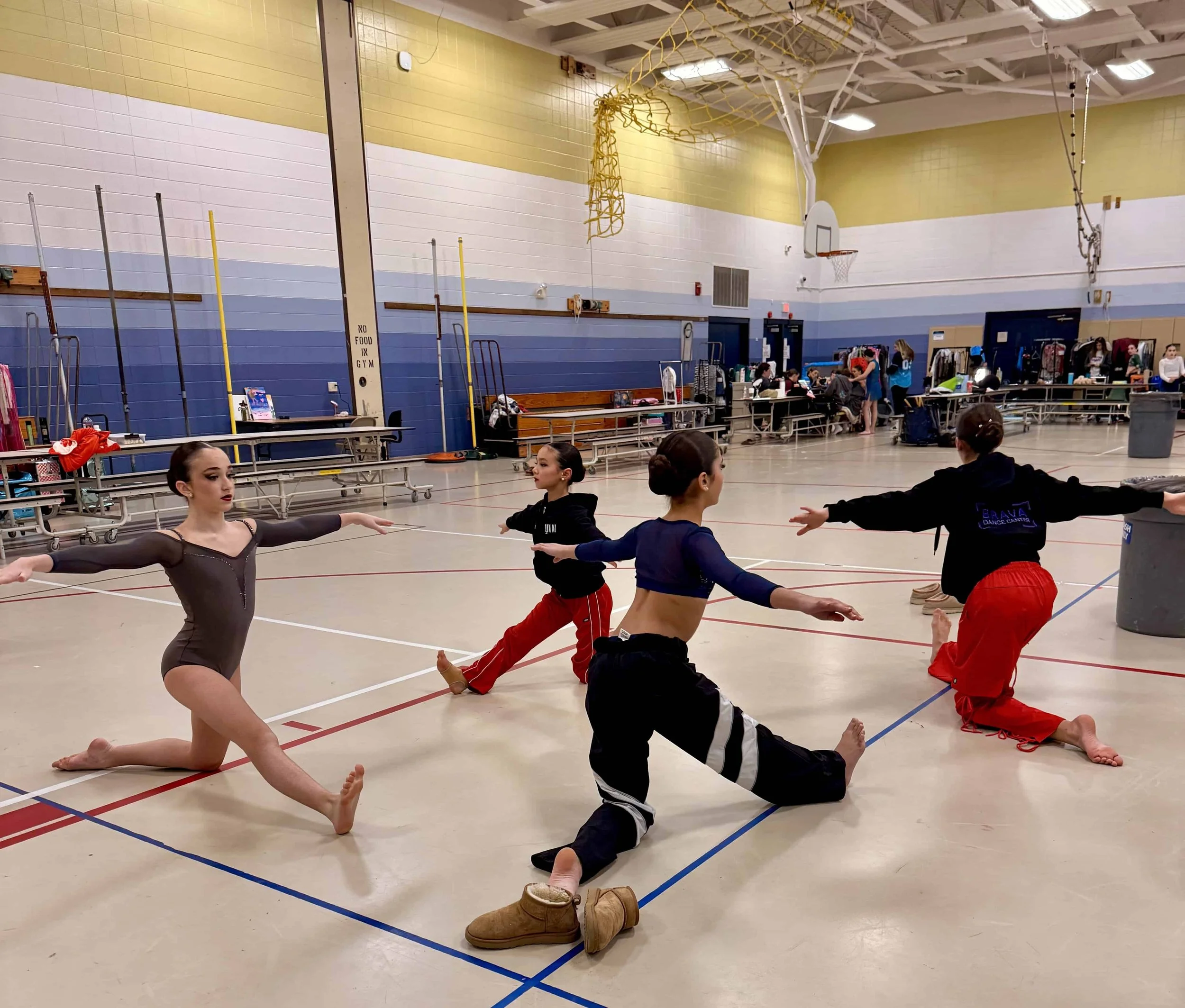
The American Academy of Pediatrics points to fluids, calories, training, conditioning, and rest as the basics that matter most for sports performance. Hydration is easy to overlook in conversations about young athletes, which tend to focus on protein, supplements, and what they should eat.
When a child athlete becomes dehydrated, they may feel tired, struggle to maintain performance, and become more vulnerable to heat-related illness. How much fluid an athlete loses varies from person to person and depends on body size, exercise intensity, temperature, humidity, and individual sweat rate. This means that two kids at the same sports practice can have very different fluid needs.
How much should a young athlete drink?
3 to 4 hours before activity: at least 12 to 20 ounces of water, along with a meal with carbohydrate and protein.
30 to 60 minutes before: 6 to 8 ounces of water with a light, carbohydrate-rich snack.
During activity: sip regularly instead of waiting until extremely thirsty.
After: fluids paired with a snack containing both carbohydrate and protein.
Chugging a large amount all at once can simply lead to more urination rather than providing the body with a steady supply of fluid. Regular drinking throughout the day is a much better strategy, and starting the day hydrated beats trying to catch up once competition begins.
Water, Sports Drink, or Oral Rehydration Solution?
For activity lasting less than an hour, water is generally enough for most kids. That includes most practices, games, and recreational activities, especially when the weather is mild and the child has access to fluids before and after activity.
Sports drinks and oral rehydration solutions (ORS) are not interchangeable, even though both contain electrolytes. A sports drink is designed in part to provide carbohydrate during prolonged exercise and often contains less sodium than people think, while an ORS is formulated with a specific balance of glucose and electrolytes to help the body absorb fluid efficiently.
If you're as fascinated by science as I am, you'll find that the reason glucose matters is quite interesting. Sodium and glucose are transported together across the intestinal wall, and water follows. That glucose-sodium relationship is the basis of ORS formulations, which is why an ORS is designed differently from a typical sports drink. KinderFarms Electrolyte Solution is one example: it meets the ORS standard and contains glucose, sodium, potassium, chloride, and zinc in that balance.
The important distinction is that hydration and fueling are not the same thing. An ORS can help replace fluids and electrolytes, but it is not intended to provide all the carbohydrates an athlete needs during a long endurance event, and it is deliberately lower in sugar than a sports drink. For prolonged activity, carbohydrates from food or an appropriate sports drink may still be needed.
| Drink | Sodium/electrolytes | Carbohydrate | Best use |
|---|---|---|---|
| Water | No | No | Most practices and games under an hour |
| Sports drink | Yes | Yes | Prolonged, vigorous exercise when carbohydrate is also needed |
| ORS | Yes, specifically formulated | Yes, in a controlled amount | Rehydration when fluid and electrolyte replacement are the priority |
| Juice | Some | Yes | Food/beverage option, but not ideal for routine sports hydration |
| Coconut water | Yes, but usually less sodium | Yes | Occasional beverage, not a replacement for a properly formulated ORS |
| Energy drink | Variable | Often | Not recommended for children or teens |
When does my young athlete need more than water?
There are a few situations when a young athlete may need more than just water:
Exercise lasting longer than an hour, particularly when it is vigorous.
Heat and humidity, because athletes can lose more fluid through sweat in these conditions.
Back-to-back practices, games, or events, especially with limited opportunities to drink in between.
Kids who are simply heavy or salty sweaters.
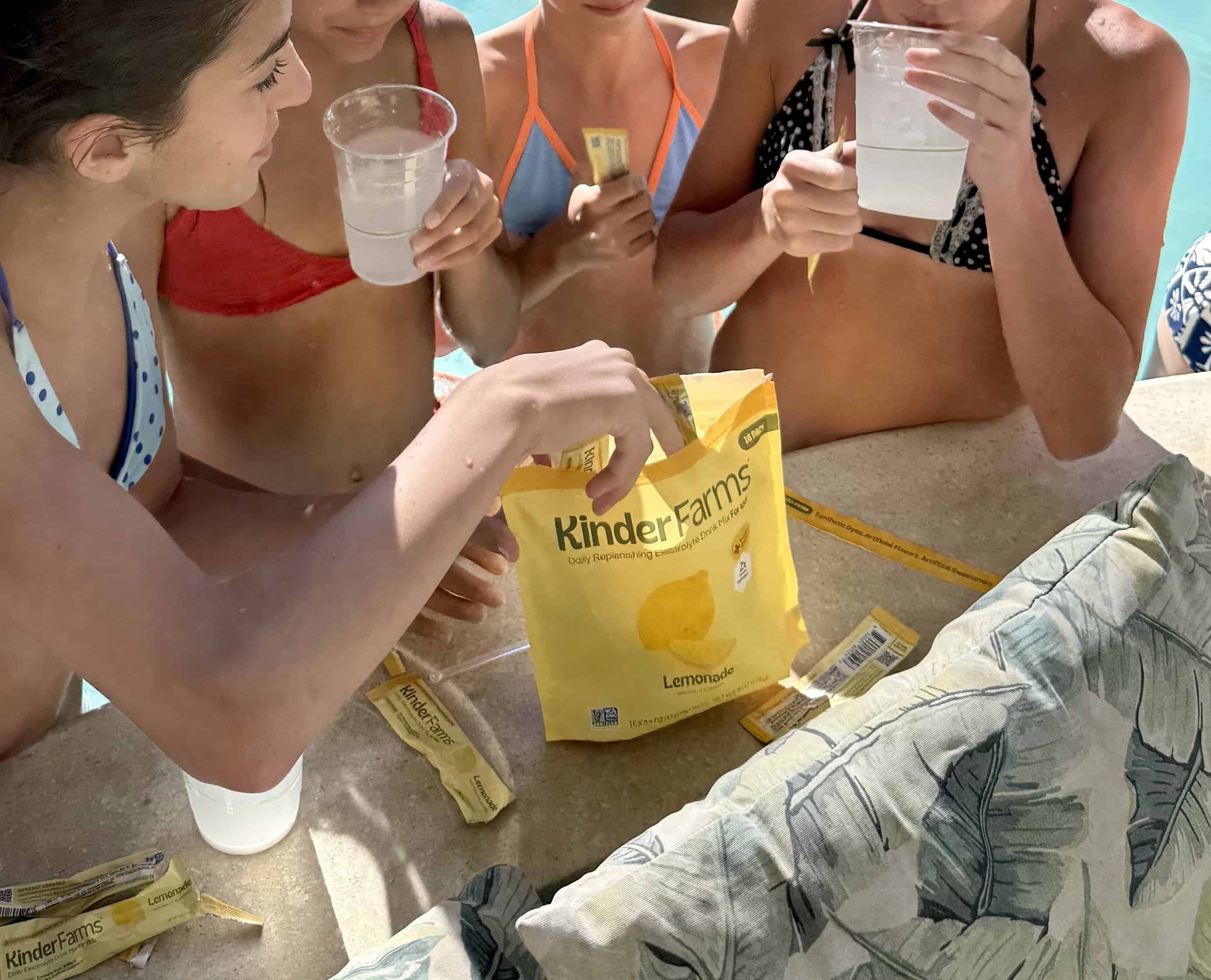
The above are situations where an ORS, such as KinderFarms Electrolyte Drink Mix, can be useful. It is formulated to meet the ORS standard and contains glucose, sodium, potassium, chloride, and zinc. The liquid product is intended for children age 1 and older, while the powder formulation is for children age 2 and older.
For young athletes, taste matters, too. KinderFarms actually tastes good and comes in a wide range of flavors that kids love (firsthand experience, over here). It also contains 75% less sugar than the leading sports drink and no artificial dyes, sweeteners, or flavors. As a pediatric dietitian and mom of three, that matters to me.
How do I know if my child is a heavy sweater?
Look for clues after practice. A child who is soaking wet, loses a noticeable amount of body weight during activity, or has salty residue on their skin, hair, or clothing may be losing more fluid and sodium than another athlete. If you notice visible salt residue after practice, that is a useful clue that they may be losing a significant amount of sodium through sweat, which may need to be replaced. Individual sweat rates can vary considerably.
Are energy drinks safe for kids?
No. The AAP recommends water as the first choice for most exercise and specifically advises against energy drinks for children and adolescents because they can contain caffeine and other stimulants. They are not the same thing as sports drinks and should not be used for hydration.
How do you keep kids hydrated on tournament and meet days?
Tournament and meet days are different from a typical practice. Your child may be active for several hours, have multiple events, spend time outside in the heat, and have long stretches between events when it is easy to forget about drinking. Here are some tips that can help:
Start the day hydrated rather than trying to catch up once competition begins.
Pack plenty of water, easy-to-eat snacks, and, when appropriate, an electrolyte option.
KinderFarms electrolyte powder packets can be especially convenient when you're packing for a full day, because they are easy to throw into a sports bag and mix on the go.
Encourage your athlete to sip regularly instead of waiting until they are extremely thirsty.
What should a young athlete eat before a game?
Hydration is only one piece of sports nutrition. A child who is under-fueled can feel tired and sluggish even if they drink plenty of fluids.
About 3 to 4 hours before activity, aim for a meal containing carbohydrates and protein, such as pasta with chicken or a turkey sandwich. Aim to keep fat and fiber content low, as these digest more slowly and can cause stomach upset, and encourage them to drink at least 12 to 20 ounces of water.
If your child needs something closer to practice, a carbohydrate-rich snack 30 to 60 minutes beforehand can work well. Try to keep it fairly light with foods like fruit, crackers, or bread, and aim to drink 6 to 8 ounces of water.
During longer activities, carbohydrates may be helpful, whereas shorter practices generally do not require food. After practice or a game, pair fluids with a snack containing both carbohydrate and protein.
One of the biggest nutrition concerns I see among active kids and teens is not eating enough to support both growth and activity. I go into that more deeply in my Sports Nutrition for Kids and Teens post.
What are the signs of dehydration and heat illness in kids?
Some symptoms should never be brushed off as simple tiredness after practice:
Dizziness
Headache
Nausea or vomiting
Unusual drowsiness
Confusion
Loss of coordination
Fainting
Feeling extremely hot
Heat stroke is a medical emergency. If an athlete is confused, has a significantly altered mental state, has a seizure, or loses consciousness after exercising in the heat, seek emergency medical care immediately.
What should my child drink if they get sick during the season?
Vomiting and diarrhea are a different hydration situation from sweating during a soccer practice. Oral rehydration solutions were specifically developed to replace fluid and electrolytes lost through gastrointestinal illness.
If your child is sick, encourage small, frequent sips, which are often easier to tolerate than a large amount at once. An ORS, like KinderFarms, can help replace those losses, however keep in mind that oral rehydration solutions are supportive care, not a treatment for the underlying illness.
If vomiting or diarrhea is persistent, your child is showing signs of significant dehydration, or you are concerned about their condition, contact your pediatrician.
The Bottom Line
Help your young athlete plan for the basics at every practice, game, and tournament: regular access to water, enough food, adequate rest, and a plan for hot or unusually long days.
When your athlete is exercising for extended periods, sweating heavily, competing in the heat, or trying to recover from significant fluid loss, an electrolyte solution can help. The goal is not to buy more sports nutrition products. It is about choosing the right tool for the situation and ensuring your young athlete gets enough food and fluids to support both their performance and growth.
For more information, check out my Sports Nutrition for Kids and Teens post, learn more about picky eating, or schedule a consultation for individualized nutrition support.
Thanks for reading!