

I just got home from San Antonio, TX, where I spent five days at FNCE 2026. FNCE is the Food & Nutrition Conference & Expo, the annual meeting of the Academy of Nutrition and Dietetics and the largest gathering of nutrition professionals in the world.
Over 10,000 dietitians, more than three days of educational sessions, and an expo floor so big that I always need a map and comfortable shoes. I attended as a media dietitian, which means my job was to listen closely and bring the useful parts home to you.
Here's what struck me most. The expo floor and the session rooms seemed to be having two very different conversations.
On the floor, brands were selling protein in everything, electrolyte packets in every color, fermented foods, and fiber. In the session rooms, dietitians were asking harder questions. Do families actually need all this? How do we explain the science without scaring anyone? How do we talk to kids about food and bodies in a way that helps instead of hurts? Where and how does AI fit into nutrition, and what dangers and pitfalls come with using it?
I've been a pediatric dietitian for 15 years, and I'm a mom of three. I know what it's like to stand in the grocery aisle staring at food labels and wondering if you’re shortchanging your kids by skipping the ones with the "high protein" claim on the packaging. So consider this your big-sister walkthrough. I'll share what I saw, what the experts were saying, and what (if anything) is worth changing at your kitchen table.
FNCE’s big theme: making science make sense
If I had to sum up the sessions in one sentence, it would be this: the nutrition world knows we have a communication problem, and we’re working hard to fix it.
Further, it’s not an easy problem to fix.
You've felt this problem, even if you've never named it. One week a video tells you a common food you buy all the time is "poisoning" your kids. The next week a headline says it's fine. You're left trying to feed a family while the ground rules seem to shift every time you open your phone.
Opening session: Nutrition in the Age of Misinformation
The conference opened with Dr. Jessica Knurick, a registered dietitian and PhD, known for calmly explaining the science behind viral nutrition claims.
Dr. Knurick herself on why misinformation spreads so easily: “Misinformation often starts with something true. But leaps to a conclusion the evidence doesn’t support.”
As a dietitian, I loved her advice: health and science communicators should start by trying to understand the underlying values and concerns that drive a person’s beliefs. The next step is to make the evidence understandable and impactful without sacrificing the science. Easier said than done, but always worth the effort.
As a mom, what grabbed me most from her presentation was that scary content travels faster than calm content - not because it's more accurate, but because fear grabs our attention. When a post makes your heart race, that's a good moment to pause, wonder what the post’s real goal is, and turn to credentialed experts you trust for answers before you change what's on your kid's plate.
Dr. Knurick’s Instagram account is one of my favorite follows for evidence-based, calm, accurate nutrition, policy, and health information. I also recommend her Substack for deeper dives, and have been a subscriber for many months.
The AI Debate: Tool, Threat, or Transformative Force?
I sat in on a lively debate about artificial intelligence in nutrition. I know many parents are already asking ChatGPT or other AI tools for feeding-related answers, recipe ideas and meal plans, and parenting advice when the pediatrician's office is closed. But where does AI fit into nutrition practice for dietetic professionals?
My take for dietitians: AI can currently add real value in our work as registered dietitians, streamlining our workflows, organizing evidence, performing administrative tasks, and helping us prepare for interviews and presentations, but it cannot and must not cloud or replace our professional judgment, nor can it replace the interpersonal relationship between counselor and client. The information AI provides is also not necessarily 100% trustworthy and must always be checked for accuracy, given its propensity to hallucinate.
My take for parents: AI can be a helpful starting point for general questions, like meal ideas or what a food group includes. But it can't see your child, know their history, observe feeding dynamics and interpersonal connections, or notice what's happening at your table. For anything specific to your child, AI is not a substitute for a real person who knows them, or a credentialed expert who is treating them.
How to tell if nutrition advice is trustworthy
Here's my quick gut check, whether the advice comes from a feed, a headline, or a chatbot:
Does it make you afraid? Fear is a sales tactic. Good information usually feels calmer.
Is there one villain food or one miracle fix? Real nutrition is rarely that simple.
Who's sharing it, and what are they selling? Check credentials, and notice when the fix happens to be their product.
Does it fit your actual child? Advice for adults, athletes, or a specific medical condition often doesn't translate to a typical kid. And every child is different. Tailored advice is key.
"Don't Call Me Fat": how we talk about kids' bodies
Of everything I attended, this session by Physician Assistant and Registered Dietitian Colleen Sloan stayed with me the longest. It was about reframing how health professionals talk with kids and families about weight. The message applies just as much at home.
Here's what I want every parent to hear. Kids absorb what we say about bodies, including our own. Comments about size, even kind or "just worried" ones, even a single word, can follow a child for years and shape how they feel about food.
A few things I practice in my own home and recommend to families:
Talk about what bodies do, not how they look. Strong legs for soccer, energy for a long school day.
Leave weight out of food talk. Foods aren't "good," "bad," or “fattening,” and no one at the table needs to "earn" dessert. Keep food talk morally neutral and simply descriptive. It’s a cookie, not a guilty pleasure or toxic poison.
Skip comments about your own body in front of your kids. They're listening, even when it seems like they aren't.
When someone else brings up your child's weight, whether it's a relative, a coach, or a provider, feel permission to redirect: "We focus on healthy habits in our house, not size."
If you're worried about your child's growth, eating, or relationship with food, have that conversation with the pediatrician or a pediatric dietitian who knows your child.
On the expo floor: four trends, and what they mean for your family
The expo is where food companies show dietitians what's new, what’s trending, and what’s coming soon. It's a great window into what will be on your grocery shelves next year. Here are the four trends I saw influencing product development, with my honest reality check on each.
1. Protein in everything
What I saw: Protein bars, protein chips, protein pasta, protein cereal, protein coffee, protein powder, protein rice. If it could hold protein, someone had added it.
The reality check: Most kids already get the protein they need from regular meals and snacks, and don't generally need fortified products to get there. For example, most toddlers drinking about 2 cups of milk per day have already met their daily protein needs.
That said, protein supports longer-lasting satiety and energy because it slows digestion. Including some protein at meals and snacks helps kids stay fuller longer and helps keep their energy and focus steadier throughout a busy day. Eggs, yogurt, beans, cheese, nut or seed butters, meat, fish, and tofu all do that job well.
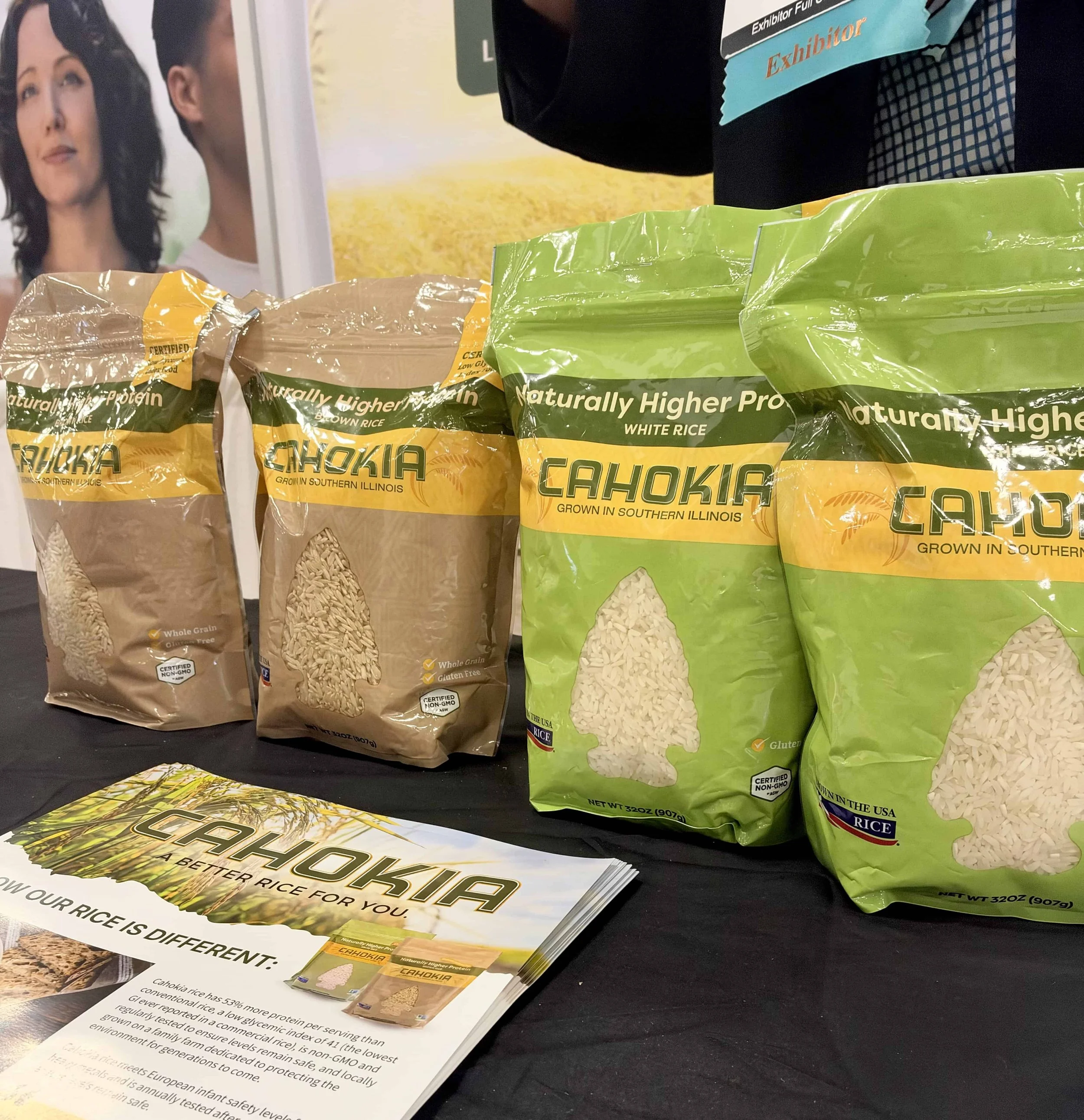
A booth I loved: Cahokia Rice. In a sea of protein powders, this was a refreshing take. It's a non-GMO, naturally higher-protein rice developed by researchers at Louisiana State University and grown on a family farm in southern Illinois.
This brand of rice has a low glycemic index of 41 (the lowest GI ever reported in a commercial rice). With 53% more protein than conventional rice, I love it as a reminder that there are ways to achieve macronutrient balance using everyday foods we already enjoy and serve. I was especially thrilled to learn that this product meets European infant safety levels for heavy metals, and that the brand tests each year after every harvest to ensure that the levels remain within safe limits.
2. Hydration and electrolytes
What I saw: Electrolyte powders, drops, and drinks in every flavor imaginable.
The reality check: For most kids on most days, water plus regular meals and snacks covers hydration. Electrolyte products have a narrower job, like long, sweaty practices in the heat or recovering from a stomach bug. For illness, check with your pediatrician on what's right for your child.
The dietitians seemed to agree. One session was titled Everyday Electrolytes? Perhaps the question mark says a lot.
3. Fermented foods
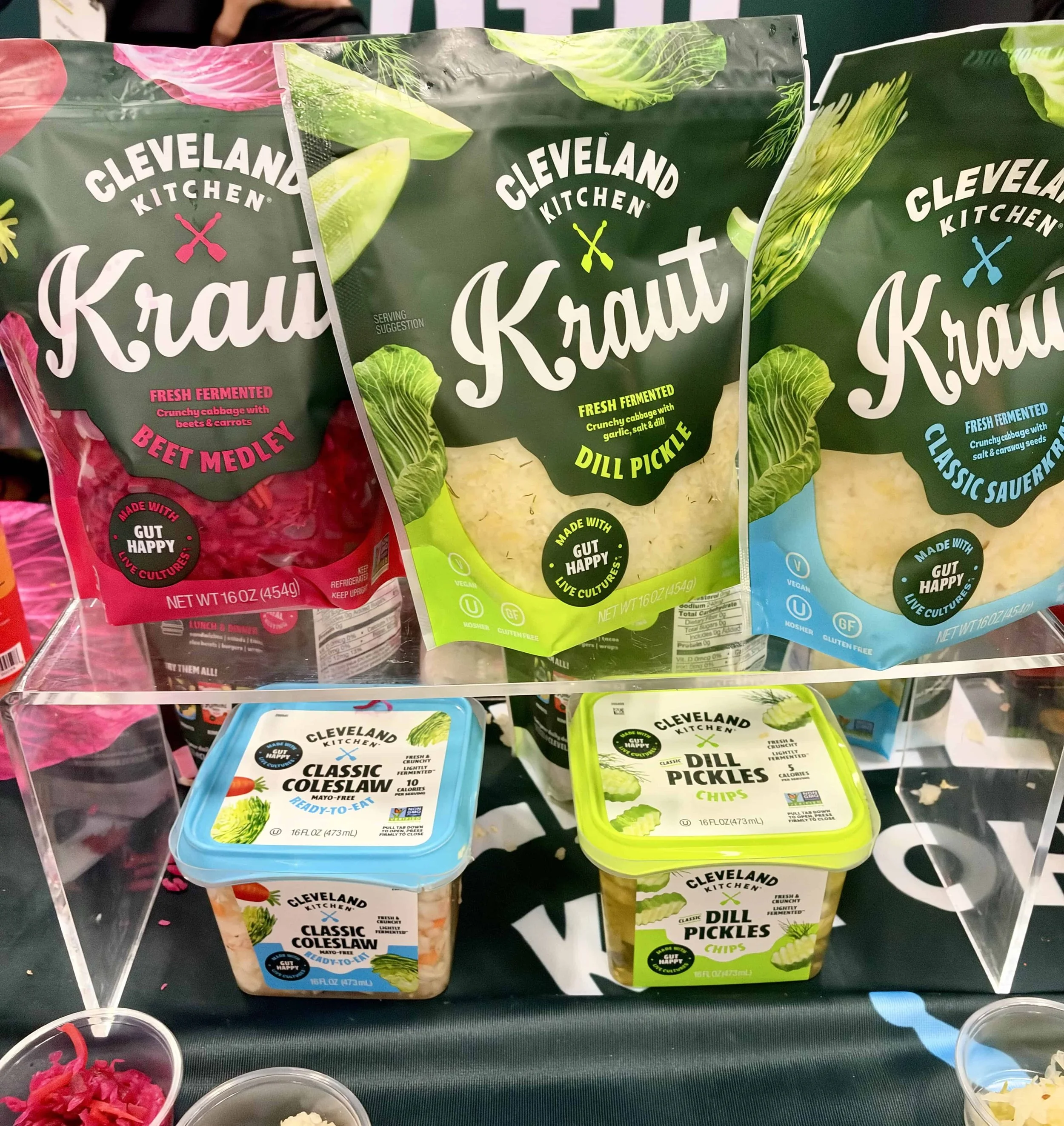
What I saw: Kefir, yogurt, sauerkraut, kimchi, pickled vegetables, and lots of conversation about gut health. This is a trend I can definitely get behind!
The reality check: Fermented foods are a lovely addition to a family's diet. A varied diet with plenty of plants does a lot for gut health on its own, but yogurt and kefir are easy starting points for kids, and mine LOVE kimchi and pickled anything.
Standout brands:
Cleveland Kitchen: They make fermented krauts and dressings that are actually easy to use at a regular family dinner. I use them in homemade banh mi regularly, and they’ve become a staple in our home. Tangy, sour flavors can take kids a while to warm up to. Offering a small amount next to familiar foods, with no pressure to try it, is how acceptance grows over time.
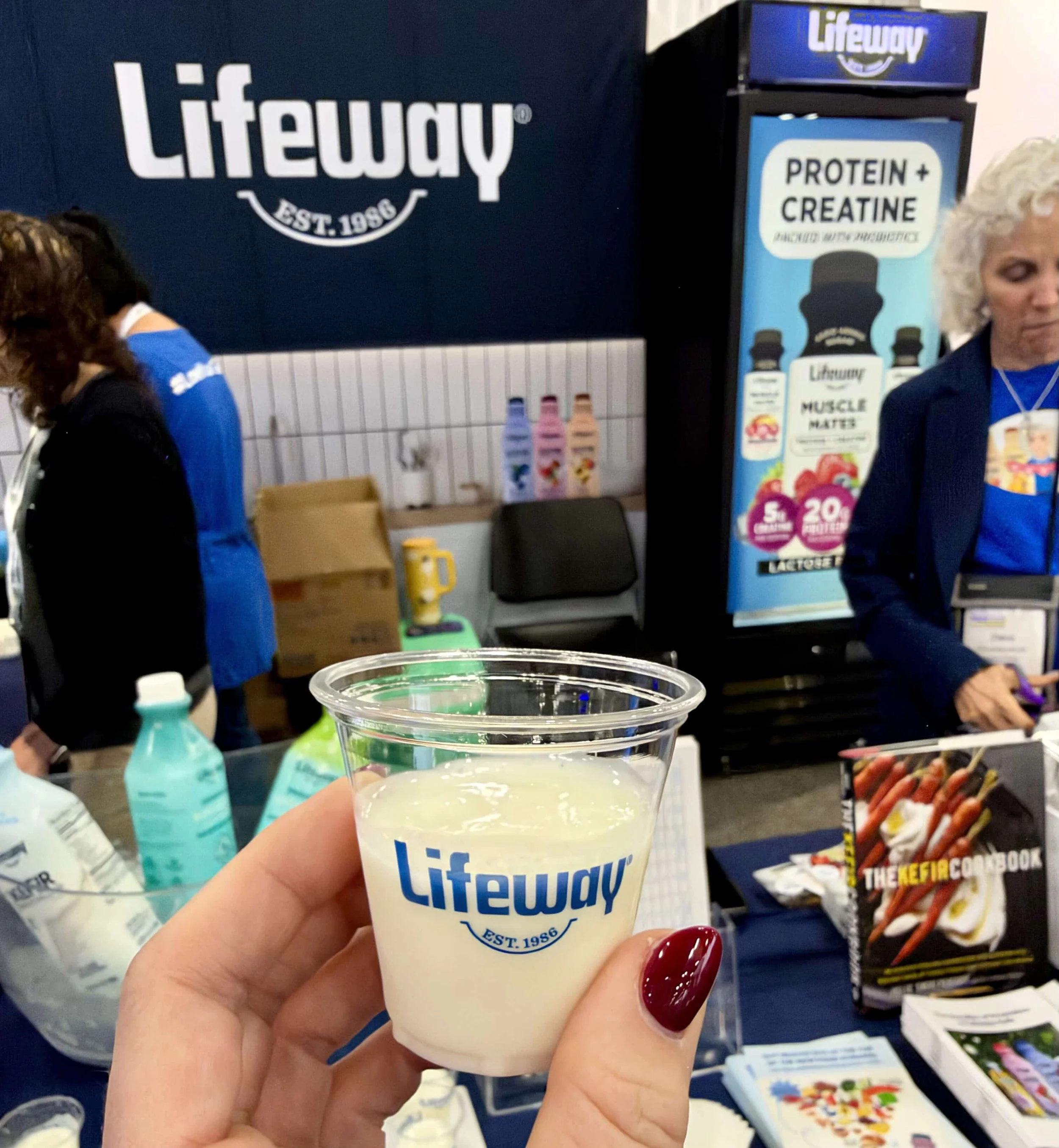
Lifeway Kefir: Lifeway makes a tangy, drinkable, fermented dairy beverage that stood out to me for its lower-sugar options (including plain versions with no added sugar), so you can serve it in a cup, blend it into a smoothie, or pour it over cereal without the sugar load of many kid-marketed yogurt drinks, and with the potential gut health benefits.
4. Fiber: a trend worth acting on
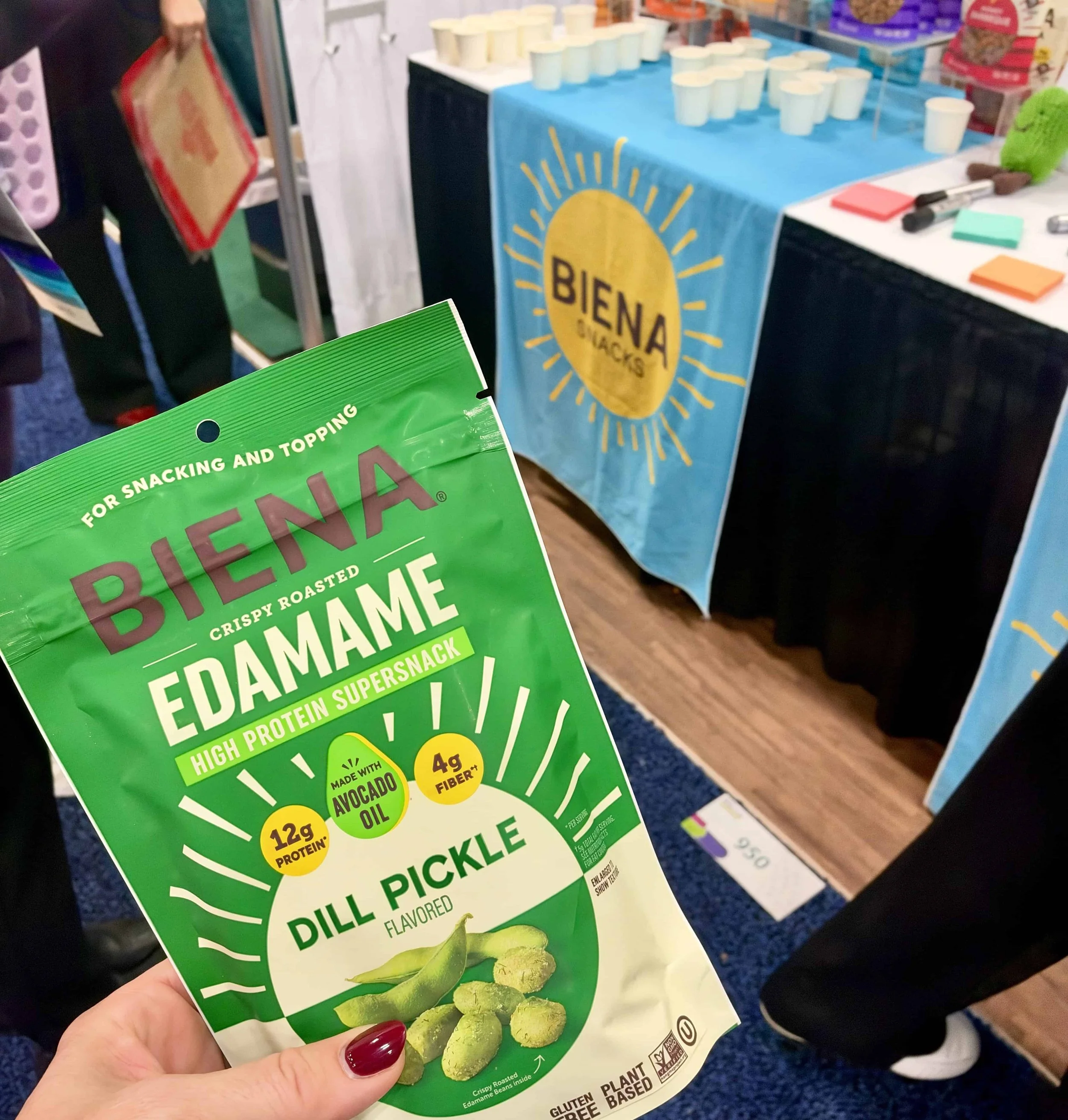
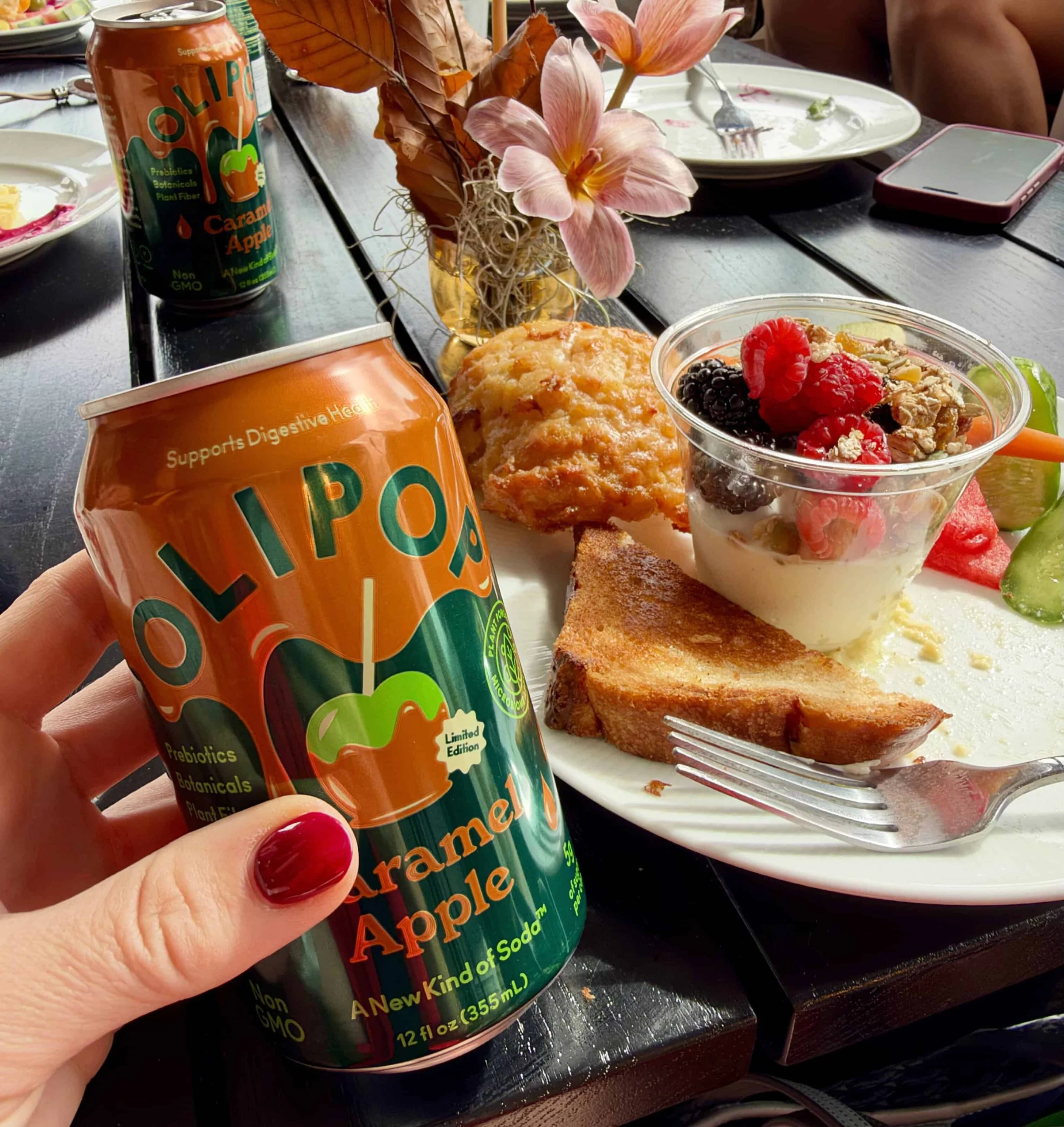
What I saw: Chia seeds, beans and lentils, U.S.A. Pulses, fiber-rich breads and pastas, prebiotic sodas like Ollipop, and dried fruit.
The reality check: This trend matches a real gap. An estimated 90-95% of kids don’t consume the recommended daily amount of fiber. Fiber helps with bowel regularity, feeds the good bacteria in the gut, and helps kids feel satisfied for longer.
The good news is that most don't need a special product. Simple ways to add more:
Beans or lentils stirred into tacos, soups, or pasta sauce
Berries, pears, apples with the skin, and other fruits
Oatmeal, whole-grain bread, and popcorn (for kids over 4)
Prunes or prune juice (like Sunsweet!) to help manage and prevent constipation in little ones
If you have a picky eater, add fiber slowly, encourage plenty of water, and pair new foods with familiar favorites. This approach tends to be easier on little tummies, and kids are more likely to accept foods introduced without pressure.


What else dietitians were talking about
I couldn't be in every room, but the program itself tells a story. A few things that caught my eye:
Low-pressure feeding is going mainstream. Sessions like No More Power Struggles: Helping Families Win at Feeding and Raising Confident Eaters point in the direction I've championed for years: Ellyn Satter’s Division of Responsibility Between Parents and Kids: you decide what, when, and where food is offered, and your child decides whether and how much to eat.
Picky eating got more science. There were sessions on why kids reject bitter flavors (Why Bitter Is Better) and how texture shapes food choices (Mouthfeel Matters). If your child refuses anything "mushy" or "crunchy," you're not imagining it. Texture matters a lot.
Breakfast and school meals. The program included a breakfast debate (eat or skip?), sessions on school meals, and a look at how states are changing their own food rules.
GLP-1 medications came up across several sessions and all over the expo floor. You'll be hearing more about them.
My takeaways for busy parents
If you skimmed everything above (no judgment!), here's what matters most:
Kids don't need protein-fortified everything. Regular foods at balanced meals and snacks generally keep kids full and fueled.
Water is still the default drink. Save electrolyte products for the specific situations that call for them.
Fiber is the quiet winner. It's the one trend that fills a real gap, and beans, legumes, fruits, veggies, nuts, seeds, and whole grains do the job beautifully.
Be gentle with your words about bodies, including your own, and especially your child’s. Kids are listening.
When nutrition advice makes you afraid, pause. Calm, nuanced information is usually closer to the truth.
Coming home
I left San Antonio inspired, exhausted, brimming with ideas, and grateful for the wonderful people who are drawn to my profession and the connections I made. It's encouraging to see so many dietitians chewing on the same question I think about every day: how do we give families clear, calm, science-based guidance in a world that keeps trying to scare them?
That's what I'll keep doing here. I’ll read the research and sit through the sessions so you don't have to, and I’ll bring you the parts that actually matter for your family. To get these updates plus child feeding tips and recipes regularly sent right to your inbox, use this link to sign up for my email list.
Now I want to hear from you: Which trend have you been wondering about? Protein snacks, electrolyte drinks, gut health, something else? Reply to this email or leave a comment, and your question might become my next post.
Thanks for reading!