
Is Powdered Infant Formula Really Safe? Infant Botulism and Your Baby's Health
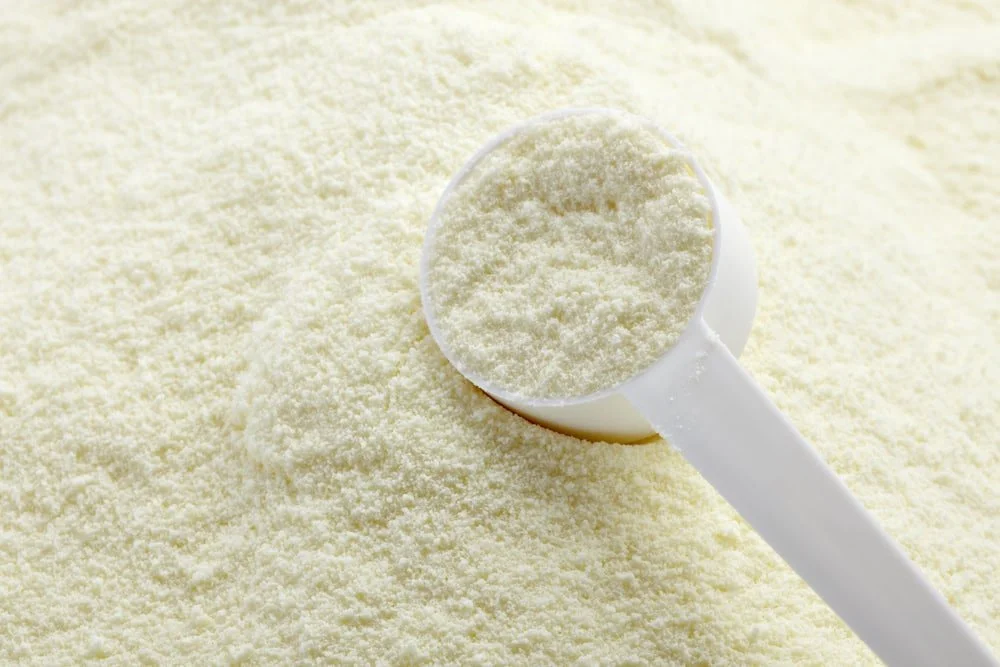
Parents want the very best for their babies, especially when it comes to feeding. Powdered infant formula is widely used, convenient, and trusted, but recent news about infant botulism has raised understandable concerns.
Infant botulism is a rare but serious illness caused by Clostridium botulinum, a bacterium that produces toxins that affect the nervous system. Babies under 12 months are more vulnerable because their digestive systems are still developing and less able to prevent harmful bacteria from multiplying.
The botulism outbreak and recent formula recalls have raised new fears among parents and health professionals about microbial safety, manufacturing oversight, and recall transparency.
The bottom line is that powdered infant formula is generally safe for healthy infants when prepared, handled, and stored correctly, and cases of botulism linked to formula remain rare, even during times of increased media attention.
In this post, my goal is to break down the facts about powdered infant formula and infant botulism so you can make safe, informed decisions without added fear or confusion. My hope is that you feel empowered with clear, practical knowledge.
Understanding Infant Botulism
Infantile botulism is the most common form of botulism and accounts for about 70% of all new cases annually. It occurs in babies younger than 12 months due to their immature immune system, reduced gastric acidity, and limited bacterial flora.
The infection occurs when infants ingest C. botulinum spores, which enter the intestines and multiply. These spores are naturally found in soil, dust, and certain foods, like honey.
In infants, spores can produce toxins that interfere with nerve signaling, affecting muscle control and potentially impacting breathing and feeding. Although it is rare, botulism is considered a medical emergency and requires immediate treatment.
Most babies develop botulism from environmental exposure rather than food. This is why honey is avoided before age one. Cases originating from infant formula are very uncommon, but because powdered formula isn’t manufactured and prepared in a completely sterile environment, understanding safe preparation is essential.
Symptoms of Botulism in Infants
Symptoms of infant botulism can develop gradually over a few weeks and may resemble other conditions. Parents should seek medical attention right away if they notice any of the following symptoms, especially if there are multiple:
• Constipation
• Poor feeding or weak suck
• Drooping eyelids
• Sluggish movements or “floppiness”
• Trouble holding up the head
• Weak cry
• Breathing problems in severe cases
The Role of Infant Formula Ingredients
Powdered infant formula is designed to meet the nutritional needs of infants and is regulated by the FDA. It contains proteins, carbohydrates, fats, vitamins, and minerals in proper amounts, all of which support growth and development.
Most formulas use cow’s milk or goat’s milk proteins, plant-based proteins in vegan-friendly versions, and carbohydrates such as lactose or corn-based sugars. Essential fats, including DHA and ARA, are added to support brain and eye development.
Vitamins and minerals, such as iron, vitamin D, and calcium, help ensure infants receive nutrition similar to that in breast milk. It is essential to note that these ingredients themselves do not increase botulism risk.
Bacteria in Baby Formula
Because powdered infant formula is not produced in a completely bacteria-free environment, it can sometimes contain very small amounts of bacteria, including Cronobacter sakazakii or C. botulinum spores. Modern manufacturing plants follow strict safety standards, but no powdered product is entirely risk-free.
Contamination can occur during manufacturing, at home, or through improper storage. Unwashed hands, unclean bottles, and moisture can all increase the likelihood of bacterial growth.
Recent media coverage of a 2025 multistate outbreak of infant botulism linked to a powdered formula from ByHeart has been extensive. As of early December, dozens of infants have been hospitalized after exposure, prompting a full recall of ByHeart formula products and renewed scrutiny of powdered formula safety.
A similar situation occurred in 2022, when multiple infants became ill from Cronobacter infections linked to formula produced at an Abbott manufacturing facility.
These situations have drawn increased public attention to risks associated with powdered infant formula, highlighting essential questions around manufacturing, microbial safety, and regulatory oversight.
While these headlines can sound scary, it is important to remember that formula manufacturing is tightly regulated, and serious contamination is very rare. Parents can best lower the risk of infant botulism by following safe preparation and feeding practices at home.
Botulism Prevention Strategies
The best way to prevent infantile botulism is to avoid giving any baby younger than 12 months of age any honey or processed foods containing honey (like honey graham crackers). It is also helpful to maintain clean living and play areas, especially if a caregiver works in construction or if there are active excavation sites near your home.
Parents can significantly reduce the risk of bacterial contamination by following safe food-handling practices recommended by the Food and Drug Administration and the American Academy of Pediatrics.
These organizations advise using ready-to-feed liquid formula for newborns, premature infants, or high-risk babies with immature immune systems because it is sterile and less likely to contain bacterial contamination.
Powdered formula is the most affordable and common, but there is a slightly higher chance of bacterial contamination during manufacturing and preparation. Despite this risk, most healthy, full-term babies can use powdered formula safely when it is prepared correctly.
When preparing powdered formula, it is essential to use clean equipment and practice good handwashing. Preparing only what your baby will eat right away is ideal.
As a pediatric dietitian, here are a few top tips for preparing and storing formula:
Unopened containers should be kept in a cool, dry place. Formula cans should never be stored in the refrigerator before mixing, as moisture increases the risk of bacterial contamination.
Make sure the formula is not expired or recalled (check this FoodSafety.gov website), and that the container is in good condition, with no dents or rust spots. Parents should use opened containers within the timeframe listed on the label and always close the lid tightly.
Use water from a safe source to mix with the formula. Tap water is usually safe, but contact your local health department if you are not sure.
Any prepared formula left at room temperature for more than two hours should be discarded.
Should I Make My Own Infant Formula?
Despite concerns about bacterial contamination in powdered infant formula, it is essential to remember: Do not make your own homemade formula!
There are many more risks associated with homemade formulas, including a lack of essential nutrients, leading to nutrient and electrolyte imbalances, poor growth, malnutrition, and an increased risk of bacterial contamination.
The Takeaway
Overall, powdered infant formula remains a safe and nourishing choice for most babies, even during times of heightened public concern. While recent outbreaks and recalls have highlighted the importance of improving manufacturing oversight and safe preparation, parents can significantly reduce risk by following evidence-based storage and feeding practices and discarding any recalled products.
When questions or concerns come up, pediatricians and pediatric dietitians can provide guidance and help parents feel confident in their feeding choices.
Please schedule a virtual one-on-one consult with me if you need additional support with specific nutritional concerns.
And if your baby is getting ready to start solid foods and you’re interested in learning more about how and when to integrate foods into your baby's diet, as well as how to reduce the risk of food allergies during infancy, check out my new baby-led feeding cookbook!
Thanks for reading!