
Is Creatine Safe for Teens and Kids? What the Research Says
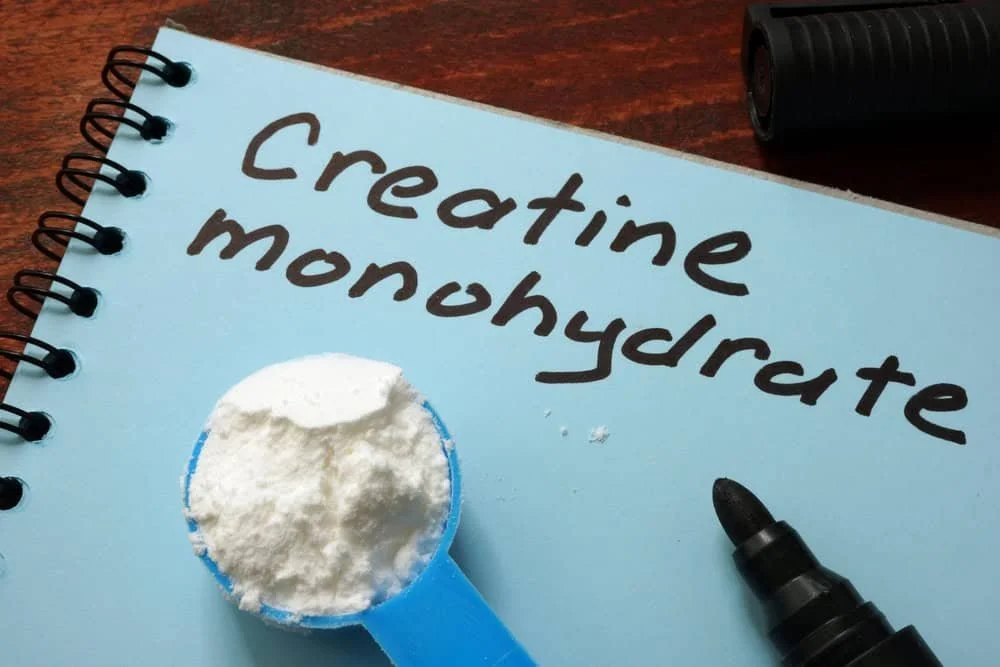
Creatine seems to be everywhere these days! If you have been wondering whether creatine is safe, recommended, and effective for teens and kids, and even for yourself, you are far from alone. As creatine has grown into one of the most widely used dietary supplements in the world, more parents, coaches, women, and young athletes are asking exactly these questions and more. The challenge is that the internet offers a lot of opinions and not nearly enough context.
The bottom line is that creatine can be safe and effective for teens in certain situations; however, it’s not necessary for most kids, and it should always be approached thoughtfully and with professional guidance.
In this guide, we will walk through what creatine is, its benefits, potential risks, and what the available research actually says so that you can make an informed decision for your family.
What Is Creatine and How Does It Work?
Creatine is a naturally occurring compound your body makes from amino acids. It is also found in foods like meat, poultry, and fish, and plays an important role in short bursts of energy during activities like sprinting or weightlifting.
Approximately 95% of the creatine in your body is stored in skeletal muscle. When you take creatine as a supplement, it increases the amount stored in muscles, which can help support high-intensity exercise performance.
Creatine monohydrate is the most studied and recommended form of creatine supplementation. In fact, it has been described as “the most effective ergogenic nutritional supplement currently available to athletes with the intent of increasing high-intensity exercise capacity and lean body mass during training.”
The benefits of creatine are most noticeable in activities that require quick, powerful movements rather than endurance sports. Research shows creatine may help improve strength, support muscle growth when paired with resistance training, and enhance recovery between intense workouts.
Creatine may also have benefits beyond sports. Emerging research points to creatine's role in supporting cognitive function, and there is meaningful evidence for its efficacy in treating conditions like muscular dystrophies and hereditary creatine synthesis disorders, as well as mental health disorders such as treatment-resistant depression, particularly in women.
Creatine Side Effects: What Parents Should Know
It is completely normal to feel cautious about dietary supplements. Let’s walk through what we know about creatine side effects and common misconceptions.
First off, there is strong evidence supporting long-term safety in healthy populations. Research notes that “there is no compelling scientific evidence that the short- or long-term use of creatine monohydrate… has any detrimental effects on otherwise healthy individuals.”
Most creatine side effects are mild and manageable. The most commonly reported side effect is weight gain, which comes primarily from increased fluid retention in muscle tissue rather than fat accumulation. Some individuals also experience gastrointestinal complaints, nausea, or diarrhea, particularly when taking larger doses at once.
There are also many creatine myths and facts about creatine circulating online. One of the most common concerns is creatine and hydration. You may have heard that it causes dehydration or muscle cramps, but current research does not support this.
Additionally, research shows that creatine supplementation does not cause cancer, does not negatively affect blood pressure, does not harm fertility, and does not damage kidneys in healthy individuals.
That said, individuals with pre-existing kidney disease, diabetes, hypertension, or reduced kidney function should avoid higher-dose supplementation and consult a physician before considering creatine at all.
Is Creatine Safe for Teenagers and Young Athletes?
Creatine for young athletes is where most of the conversation happens. Use among adolescents is significant. Research suggests rates as high as 25-40% among senior high school athletes, with use increasing through the high school years.
What is key for parents to understand is that major health organizations do not all agree on this topic. The ISSN (International Society of Sports Nutrition's) 2025 review takes the most permissive stance, concluding that creatine is safe and potentially beneficial for younger athletes, but with important conditions attached.
The ISSN states that creatine supplementation in children and adolescent athletes is acceptable IF the athlete is involved in serious, competitive, supervised training, is consuming a well-balanced, performance-enhancing diet, is knowledgeable about appropriate use, and is not exceeding recommended dosages.
In fact, experts note that “if proper precautions and supervision are provided, creatine monohydrate supplementation in children and adolescent athletes is acceptable and may provide a nutritional alternative… to potentially dangerous anabolic androgenic drugs.”
(It's worth noting that the ISSN has financial ties to the supplement industry, which doesn't invalidate their science, but is worth knowing when weighing their guidance.)
The AAP (American Academy of Pediatrics) takes a more cautious stance and does not recommend the routine use of creatine due to a lack of “additional benefit in this age group.”
Part of the challenge is that the lack of randomized controlled trials and clinical data specifically supporting safety in adolescent populations has led many practitioners to hesitate. Additionally, most existing research has been conducted in international, non-US settings. In other words, the absence of clear evidence of harm is not the same as evidence of safety, especially for developing bodies.
The bottom line for parents: creatine monohydrate supplementation “can improve measures of sports-specific activities as well as similar indices of physical performance such as power or sprint speed in adolescents.” It may be an acceptable nutritional strategy for a post-pubertal teen who is engaged in serious, supervised, competitive training, eating a strong performance diet, and using a third-party tested product at recommended doses.
That said, it is not a magic solution: sleep, nutrition, and consistent training matter far more than any supplement. Before turning to dietary supplements for kids, it is always best to focus on a strong nutrition foundation.
Is Creatine Safe for Kids Under 13?
When it comes to younger children, the guidance is more cautious and more straightforward. The AAP advises against creatine use in children and teenagers due to insufficient long-term research in this population.
Pre-pubertal children have not been studied in controlled athletic supplementation trials, and this is not a gap that should be filled with assumptions from adult data.
The ISSN itself specifies that the athlete should be past puberty before creatine supplementation is considered appropriate, meaning that even the organization most supportive of creatine draws a line here.
There is one important exception worth noting: creatine has been used safely in medical settings for certain rare pediatric conditions, including systemic lupus erythematosus, Duchenne muscular dystrophy, and traumatic brain injuries, where early supplementation shows disease-modifying capacity. These clinical contexts provide meaningful information about creatine's safety profile in children under appropriate supervision, but do not translate to safe use for all children.
However, for healthy, active children, the evidence base simply does not support routine supplementation. Food-first nutrition, adequate sleep, and age-appropriate training are the evidence-backed foundations.
If you have concerns about your child's nutrition or athletic development, working with a pediatric dietitian is the most appropriate next step.
Is Creatine Safe for Women and Teen Girls?
Creatine is also not just for male athletes. Research shows benefits for women across the lifespan, including improved strength and body composition when paired with resistance training.
There is also emerging evidence supporting creatine’s role in mental health and cognitive function in women. For teen girls, the same thoughtful approach applies with a focus on food first.
Women exhibit distinct physiological responses to creatine shaped by hormonal fluctuations during menstruation, pregnancy, and menopause. A comprehensive 2025 review found that creatine supplementation in women improves muscle strength, exercise performance, and body composition, particularly when combined with resistance training.
For women wondering whether creatine is safe, recommended, and effective, the evidence is broadly supportive for healthy individuals. If you are pregnant or breastfeeding, avoid creatine supplementation unless directed by your physician, as “there is currently no direct evidence available... on the safety and tolerability of creatine monohydrate during pregnancy.”
One nuance worth noting: research suggests women may experience somewhat smaller gains in lean body mass compared to men, which may relate to differences in baseline muscle mass and training protocols rather than a fundamental difference in how women respond to creatine.
Creatine Dosage for Teens: How Much Is Safe?
Standard creatine dosage for teens typically mirrors adult guidance, which is 3 to 5 grams per day or about 0.1 grams per kilogram of body weight. Some protocols include a short loading phase, but this is not necessary for most teens and may increase the likelihood of mild side effects.
Creatine intake guidelines emphasize consistency over high doses. More is not better, and sticking within recommended ranges is key. It may also help to take creatine with a meal that includes carbohydrates and protein, which can improve uptake.
Creatine and exercise go hand in hand. It works best for short-duration, high-intensity activities like weightlifting, sprinting, and team sports that involve quick bursts of effort. It is much less effective for endurance-based activities.
One important practical note: dietary supplements are not regulated the same way as medications in the United States, which means label accuracy is not guaranteed. If your teen does use creatine, prioritize products that have been third-party tested and certified by organizations like NSF International or Informed Sport to verify that what is on the label is what is actually in the product.
As always, consulting with a pediatric dietitian or healthcare provider is the safest approach.
Frequently Asked Questions About Creatine for Teens and Kids
Can a 15-year-old take creatine?
Possibly, with the right conditions in place. Major sports nutrition organizations suggest creatine may be appropriate for post-pubertal teens who are engaged in serious, supervised competitive training, eating a well-balanced diet, and using a third-party-tested product from a reputable manufacturer at recommended doses. It's always best to consult a pediatric dietitian or physician first.
At what age is it safe to start taking creatine?
Most guidance points to post-puberty as the earliest appropriate time, which is typically around age 14–16, depending on the individual. Creatine is not recommended for pre-pubertal children in a sports context due to limited research in that population.
Does creatine stunt growth in teenagers?
There is no current evidence that creatine stunts growth. However, long-term studies specifically in adolescents are limited, which is one reason professional guidance before starting is important.
Can teenage girls take creatine?
Yes, the same general guidance applies to teen girls as to teen boys. Research also shows women respond positively to creatine for strength and body composition, and there is emerging evidence for cognitive and mental health benefits as well.
Is creatine a steroid?
No. Creatine is a naturally occurring compound found in meat and fish and produced by the body. It is not a steroid, hormone, or controlled substance.
What is the safest creatine for teenagers?
Creatine monohydrate is the most researched and recommended form. Look for products that are third-party tested and certified by NSF International or Informed Sport to ensure label accuracy and purity.
Can kids get enough creatine from food alone?
For most healthy children and teens who eat meat and fish, dietary intake provides meaningful amounts of creatine. Supplementation is generally unnecessary for kids who aren't engaged in high-intensity competitive training.
The Bottom Line: Should Your Teen Take Creatine?
Whether creatine is right for your teen, child, or yourself depends on several factors. For healthy teens involved in structured training, creatine can be a safe and potentially helpful supplement when used appropriately. For younger children, routine use is not recommended due to limited research.
As a parent, your instinct to pause and ask questions is exactly right. Supplements can feel overwhelming because there is potential for harm when used incorrectly, and your child’s safety always comes first.
If you are considering creatine, working with a pediatric dietitian can help you review the evidence, assess your child’s needs, and create a plan that supports both performance and long-term health.
If you'd like personalized guidance on supporting your child or teen’s nutrition, I'm currently accepting new clients in my virtual private practice and would love to support you. Thanks for reading!