
Glyphosate and Kids: What Parents Need to Know
Have you seen the politicized headlines and social media flurry about glyphosate lately and felt your stomach drop?
When words like “carcinogen” and “children’s cereal” show up in the same article, it’s enough to make any one of us pause mid-grocery trip and start wondering if we should stop buying oats, switch everything to organic, and hide under a blanket.
The conversation is complex, and as parents, I think it’s most helpful for us to tune out the fear-mongering and try to understand both the agricultural realities and the evolving science so that food-related decisions can be made from a place of knowledge, rather than fear.
Because when fear becomes the lens through which we talk about food, the fallout isn’t just dietary; it can quietly shape a child’s trust, flexibility, and confidence around eating, too.
That being said, with all the confusing headlines, conflicting research, and highly politicized and polarizing social media content surrounding the topic, it's easy to feel overwhelmed.
If you want the bottom line before diving into the rest, here’s what I think is most important for parents to know:
Although the science isn't fully settled, regulatory opinion currently holds that everyday dietary exposure to glyphosate falls within safe limits.
The overall dietary pattern matters far more than any single food or ingredient.
A child who eats a varied diet rich in fruits, vegetables, whole grains, and quality proteins is in a much stronger nutritional position than one whose parents have become so fearful of pesticides that they've significantly narrowed the diet.
As always, my goal here as a pediatric dietitian is to cut through the noise and calmly walk you through what the science actually says about glyphosate's safety, the real risks, and how you can take practical steps to reduce your family's exposure to pesticides. This post is NOT sponsored. Let’s jump in…
What Is Glyphosate, Anyway?
Glyphosate is the active ingredient in Roundup, the world's most widely used herbicide. It works by blocking a specific enzyme pathway that plants need to grow, which is why it's so effective at killing weeds.
It was introduced in the 1970s and became dramatically more widespread after the development of "Roundup Ready" genetically modified crops in the 1990s, which were engineered to tolerate the herbicide.
Today, glyphosate is applied to many conventionally grown crops, including oats, wheat, corn, and soybeans, and its residue can be detected in a wide range of foods.
Why Are Parents Concerned About Glyphosate Health Risks?
Much of the current concern around glyphosate health risks traces back to a 2015 classification by the International Agency for Research on Cancer, or IARC. The IARC glyphosate classification placed it in Group 2A, meaning it is "probably carcinogenic to humans," based on evidence of genotoxicity, oxidative stress, and epidemiological associations with non-Hodgkin lymphoma. (For context, eating red meat is also included in IARC’s Group 2A as "probably carcinogenic to humans.")
Two meta-analyses published after that review further confirmed the association between glyphosate exposure and non-Hodgkin lymphoma, which understandably scared a lot of families, including my own (my mother was diagnosed with non-Hodgkin lymphoma in 2013 and endured years of treatment before going into remission in 2016).
It's also worth noting that concerns about glyphosate go beyond cancer. Emerging research has raised questions about potential effects on the nervous system, and other studies point to possible endocrine disruption and impacts on gut microbiome composition. These areas of research are still developing, but they are part of why scientists, influencers, and parents alike are paying close attention.
What Regulatory Agencies Say: The EPA Glyphosate Ruling
In contrast to the IARC's findings, the U.S. Environmental Protection Agency has maintained that glyphosate is not likely to be carcinogenic to humans when used according to label directions. The European Union's assessment similarly concluded that glyphosate does not pose a carcinogenic hazard, though it revised some toxicological reference values in the process.
As a 2017 glyphosate toxicity and carcinogenicity review explains, the divergence between IARC and regulatory agencies largely stems from differences in which data sets were used and how the evidence was methodologically evaluated, rather than a simple disagreement about the facts.
Basically, IARC evaluates hazard, meaning whether a substance can cause cancer under some conditions, whereas regulatory agencies assess risk, which considers real-world exposure levels.
Glyphosate in Politics and Media
Glyphosate is one of the most widely used herbicides in modern agriculture because it helps farmers control weeds efficiently, reduce crop loss, and practice conservation tillage, which can protect soil from erosion.
Supporters argue that without it, food production costs would likely rise, crop yields could fall, and farmers might need to use alternative herbicides that are sometimes more toxic or require more frequent application.
If glyphosate were suddenly removed from agriculture, we would likely see higher food prices, increased weed pressure on staple crops like corn, soy, and wheat, and significant disruption to farming systems that have relied on it for decades.
Critics, however, raise concerns about potential long-term health effects and environmental impact, and they often advocate for stricter regulation or a shift toward organic farming.
Media entities and influencers looking for clicks and views know that fear-based content about glyphosate will drive more engagement, so they lean into the topic and the emotions it elicits.
Again, the conversation is complex, and for families, it’s helpful to understand both the farming-related implications of glyphosate and the emerging body of evidence related to its health and safety, so that decisions can be made from a place of knowledge rather than fear. Because when fear-based words like “toxic” and “poison” accompany families to the table, the fallout from the messages kids absorb about food can be damaging in other ways to their long-term nutrition and relationship with food.
How Much Glyphosate Is Actually in Food?
The USDA's Pesticide Data Program (PDP) tests thousands of food samples each year for pesticide residues, including glyphosate, and its data forms the basis for most regulatory risk assessments. Glyphosate residues are measured in parts per billion (ppb), an incredibly small unit roughly equivalent to one drop of water in an Olympic-sized swimming pool.
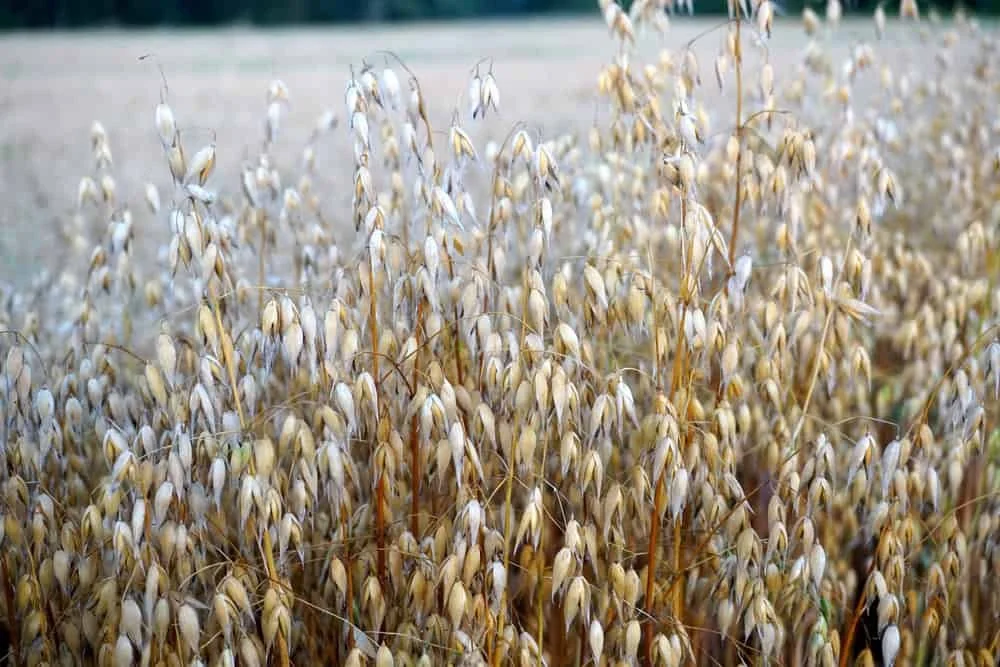
Glyphosate in oats and breakfast cereals is what often makes headlines because oats are sometimes treated with glyphosate pre-harvest to help dry the crop evenly. Oat-based products tend to have some of the highest detected levels, yet these still fall well below the EPA's legal tolerance limit for glyphosate in oats of 30,000 ppb.
A 2021 study found that even at the 95th percentile of dietary intake, glyphosate consumption remained well below the EPA's Acceptable Daily Intake of 0.1 mg per kilogram of body weight per day. This context doesn't eliminate the need for ongoing research, but it does help ground the conversation in actual numbers rather than fear.
So, Is Glyphosate Safe for Kids?
This is the question everyone wants answered, and the most straightforward answer I can give is: the science isn't fully settled, but the majority of regulatory bodies currently conclude that dietary exposure levels are unlikely to pose a significant risk.
The cancer concerns linked to glyphosate and non-Hodgkin lymphoma are based primarily on occupational exposure in farmworkers, who encounter glyphosate in far greater quantities than the average person does through food.
Long-term studies in children are still limited, and kids may be more vulnerable than adults, given that their bodies are still developing and they eat more food relative to their body weight. That said, research suggests that to exceed the EPA's chronic reference dose, a child would need to eat unrealistically large amounts of high-residue foods every day for years.
Organic vs. Conventional Produce: Does It Matter?
Choosing organic vs. conventional produce is one of the most common strategies parents use to reduce pesticide exposure. Certified organic crops are grown without synthetic pesticides like glyphosate, so opting for organic oats, cereals, and other high-residue foods, like fruits with edible peels, beans, soy, and corn, can help lower your child's exposure.
That said, organic produce is not completely pesticide-free, as some naturally derived pesticides are permitted in organic farming. And the truth is, tolerances for pesticide residues have legal limits in conventionally-grown foods that are tightly regulated by the Environmental Protection Agency. These strict rules are especially focused on setting tolerance limits on pesticide levels that protect infants and children.
For families who can't always afford or access organic options, know that eating plenty of conventionally grown fruits and vegetables is safe, and far better for your child's health than avoiding produce altogether out of pesticide concerns.
How to Reduce Pesticide Exposure for Your Family
The good news is that there are several practical, evidence-based steps you can take to reduce pesticide exposure without overhauling your entire grocery budget. Here are some simple tips I use myself as a pediatric dietitian and mom of three girls:
Wash all produce thoroughly under running water to help remove a significant portion of surface pesticide residues.
Filter drinking water.
Vary your child's diet across a wide range of fruits, vegetables, legumes, grains, and other plant foods to help limit concentrated exposure to any single pesticide.
Prioritize organic versions of some typically higher-residue foods, like oats, when it’s in the budget.
Final Thoughts on Glyphosate…
I understand the anxiety that comes with headlines about pesticides in children's food. As a parent myself, I feel it too. What I always come back to is this: the overall dietary pattern matters far more than any single food or ingredient.
A child who eats a varied diet rich in fruits, vegetables, whole grains, and quality proteins is in a much stronger nutritional position than one whose parents have become so fearful of pesticides that they've significantly narrowed the diet.
The science on glyphosate safety is evolving, and while it's reasonable to take modest precautions, like buying organic oats or washing produce thoroughly, don’t let fear drive you away from serving nutritious foods.
If you'd like personalized guidance on feeding your child in a way that supports their health while fitting your real-world budget and lifestyle, I'm currently accepting new clients in my virtual private practice and would love to support you. Thanks for reading.