
When I came down with Cyclospora over Memorial Day Weekend, I assumed I had food poisoning or that I had picked up a stubborn stomach virus. My symptoms came and went for several weeks, and just when I thought I was getting better, the diarrhea and stomach cramps would return. I was intermittently nauseous and exhausted; I had no appetite and lost weight. At the time, no one was really talking about the Cyclospora outbreak, so it wasn't even on my radar.
Eventually, I saw my doctor, who tested for the usual suspects. When all my tests came back normal, he recommended Cipro. Within hours of taking my first dose of antibiotics, I felt noticeably better. It was a huge relief, but it also gave me a new appreciation for how disruptive this parasite can be.
Now that Cyclospora is making headlines, many parents are wondering if it's still safe to serve fresh fruits and vegetables to their children. The short answer is yes.
While we cannot completely eliminate the risk of Cyclospora at home, we can make informed choices that reduce risk while continuing to offer our children fruits and vegetables that provide nutrients that support growth, digestion, and overall health.
In this post, I'll explain what parents should know about the Cyclospora outbreak, how to safely continue serving fruits and vegetables, and the simple steps you can take to reduce your family's risk without letting fear take over.
What is Cyclospora?
Cyclospora (Cyclospora cayetanensis) is a microscopic parasite that causes an intestinal illness called cyclosporiasis. People become infected after eating food or drinking water contaminated with the parasite. Fresh produce is the most common source of outbreaks because many fruits and vegetables are eaten raw.
Symptoms usually begin about a week after exposure and often include watery diarrhea, abdominal cramping, bloating, nausea, loss of appetite, fatigue, and weight loss. One frustrating feature of Cyclospora is that symptoms often wax and wane. You may feel better for a day or two before they return, which is exactly what happened to me.
Unlike many stomach viruses, Cyclospora usually doesn't spread directly from one person to another. The parasite must spend one to two weeks in the environment before it becomes infectious, making person-to-person transmission very unlikely.
Why is Cyclospora linked to fresh produce?
Cyclospora outbreaks are most common during the spring and summer months and have frequently been linked to foods like leafy greens, herbs, berries, and salad mixes. Because these foods are often eaten without cooking, any contamination is more likely to reach the consumer.
My own experience happened before Cyclospora was dominating the headlines. Since then, the United States has seen an unprecedented surge in cyclosporiasis cases. According to the Centers for Disease Control and Prevention (CDC), 2026 is shaping up to be the largest Cyclospora season on record, with thousands of illnesses reported across more than 30 states.
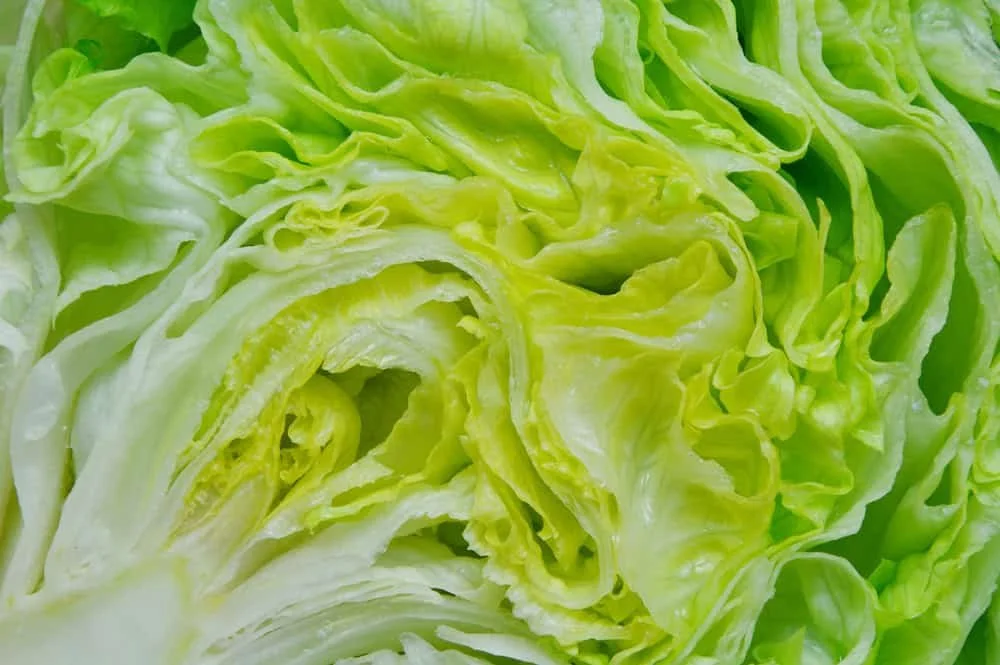
Investigators thought they had linked one multistate outbreak to shredded iceberg lettuce (supplied by Taylor Farms) served at Taco Bell restaurants in Indiana, Kentucky, Michigan, Ohio, and West Virginia, however as of July 19, 2026, FDA retracted their statement, saying that there are currently no confirmed positive sample results for the parasite. Several additional outbreaks and sporadic illnesses are still under investigation.
It's important to remember that outbreaks are typically traced to specific products or growing conditions, not to all fresh produce. Most fruits and vegetables sold in grocery stores remain safe to eat, and public health officials work to identify and recall contaminated products when outbreaks occur.
Should families stop eating fresh fruits and vegetables?
As a pediatric dietitian and mother of three girls, my answer is no. Children benefit from eating a variety of fruits and vegetables every day. These foods provide fiber for digestive health along with vitamins, minerals, and antioxidants that support growth, immune function, and overall nutrition.
Avoiding produce for weeks or months because of fear of contamination does more harm than good. Instead of eliminating fresh produce, focus on reducing risk while continuing to offer a balanced diet.
How do we reduce risk? To start, based on the current Cyclospora outbreak, it may be best to temporarily avoid or limit:
Bagged salad mixes (especially those containing shredded lettuce)
Pre-shredded iceberg lettuce
Pre-cut lettuce from deli counters or salad bars
Restaurant salads, particularly if you don't know the source of the lettuce
Shredded lettuce on fast food sandwiches, tacos, and burgers if you're in an affected area or if the source is unknown
Who Should Take Extra Precautions During the Cyclospora Outbreak?
Every family's situation is different, and some people may choose to take extra precautions during the outbreak. These may include people with weakened immune systems, young children, and older adults who are more vulnerable to dehydration, those who are pregnant or breastfeeding because treatment decisions may be more complex, and anyone who cannot take the antibiotic most commonly used to treat Cyclospora.
For these families, choosing more cooked, frozen, canned, or peeled produce and avoiding recalled products may offer additional peace of mind. The best approach is one that balances the nutritional benefits of fresh fruits and vegetables with your family's unique health needs, ideally in partnership with your healthcare provider when needed.
Practical Ways to Make Produce Safer
Although no method completely eliminates the risk of Cyclospora infection, several simple food safety habits can help reduce exposure. Below are a few of the top tips recommended by the CDC:
Remove and discard the outer layers when possible. This is especially helpful for heads of lettuce, cabbage, and Brussels sprouts, onions, garlic, and thick-skinned fruits like oranges and cantaloupes.
Washing fresh produce under running water is an important food safety habit, though it doesn't reliably remove Cyclospora. The parasite's hardy outer shell makes it difficult to wash away completely. Even so, rinsing produce under running water before consuming or peeling can help remove dirt and reduce exposure to other contaminants, so it's still a worthwhile step.
TOP TIP: Even fruits and vegetables with peels, such as melons, avocados, oranges, and bananas, should be washed before cutting. This can help prevent anything on the outside from being transferred to the edible portion by your knife.
Cooking fruits and vegetables when appropriate may further reduce the risk because Cyclospora, like many other parasites, is heat-sensitive. Although researchers haven't established specific cooking recommendations for Cyclospora-contaminated foods, cooking produce to 158 degrees is generally considered a lower-risk option than eating raw produce during outbreaks.
TOP TIP: Cooked vegetables, soups, roasted vegetables, fruit sauces, and other cooked produce are excellent options while outbreaks are ongoing.
Frozen, canned, dried, and freeze-dried fruits and vegetables can also help families maintain variety. While freezing itself doesn't kill Cyclospora, these options can still be useful when fresh produce linked to an outbreak is recalled. Canned fruits and vegetables are another nutritious choice, and when selecting canned fruit, choose options packed in water or 100% juice whenever possible.
If you grow fruits or vegetables in your own garden, they are generally considered a safe option when grown using clean irrigation water and good gardening practices. Wash homegrown produce before eating it, just as you would with store-bought produce. Produce from local farms can be part of a healthy diet when proper food safety practices are followed.
TOP TIP: In general, rather than avoiding all commercially grown produce, it's more helpful to stay informed about FDA recalls and avoid products that have been specifically linked to an outbreak.
What about pregnancy and breastfeeding?
If you're pregnant and breastfeeding, it's understandable to have extra questions about Cyclospora. At this time, there is very little research on whether Cyclospora cayetanensis can cross the placenta or pass into breast milk, and no clear evidence has demonstrated that it does. It’s encouraging to know that there are no documented cases of the parasite infecting a developing baby during pregnancy or a nursing infant through breastfeeding.
However, diarrhea and nausea during pregnancy can increase the risk of dehydration, making prompt medical evaluation especially important. Treatment decisions should always be individualized because the antibiotic most commonly used to treat Cyclospora may not be appropriate in every stage of pregnancy or while breastfeeding.
Your healthcare provider can help weigh the benefits and potential risks and recommend the safest treatment for your situation.
Skip the internet "parasite cleanses"
If you've spent any time on social media, you've probably seen advertisements for parasite cleanses that promise to eliminate unwanted organisms naturally. While these products may sound appealing, there is no solid evidence that herbal cleanses, detox teas, coffee enemas, or supplement regimens treat Cyclospora.
Some of these products can actually be harmful, leading to dehydration, electrolyte imbalances, medication interactions, or liver injury.
Cyclospora is diagnosed through specialized stool testing because it is not included in many routine stool parasite panels. If your healthcare provider suspects Cyclospora, they may need to specifically request testing for it.
When diagnosed, the infection is treated with prescription antibiotics, most commonly trimethoprim-sulfamethoxazole (also known as Bactrim or Septra), which is highly effective for most people.
Keeping it in perspective…
Foodborne illness outbreaks can understandably make parents feel anxious. As someone who has experienced Cyclospora firsthand, I completely understand that reaction—it was awful! But I also know that fear shouldn't keep us from eating the foods that enable us to thrive.
The goal isn't to eliminate every possible risk. That's simply not realistic. Instead, focus on the habits that make the biggest difference: wash fresh produce, cook it when appropriate, choose frozen or canned options when it makes sense, follow food recall notices, and continue offering a wide variety of fruits and vegetables.
Most importantly, don't let headlines convince you that healthy foods have suddenly become unsafe. A colorful, varied diet remains one of the best ways to support your child's health, even during a Cyclospora outbreak.
For more practical feeding tips for babies and kids, browse the rest of the blog, connect with me on Instagram, or subscribe to my newsletter, where I regularly share family-friendly nutrition guidance.
And if you're looking for personalized nutrition support for your babies or kids, I am currently accepting new clients in my virtual private practice.
Thanks for reading!