
Baby Poop Color Guide: What Each Diaper Is Telling You About Your Infant's Diet and Health
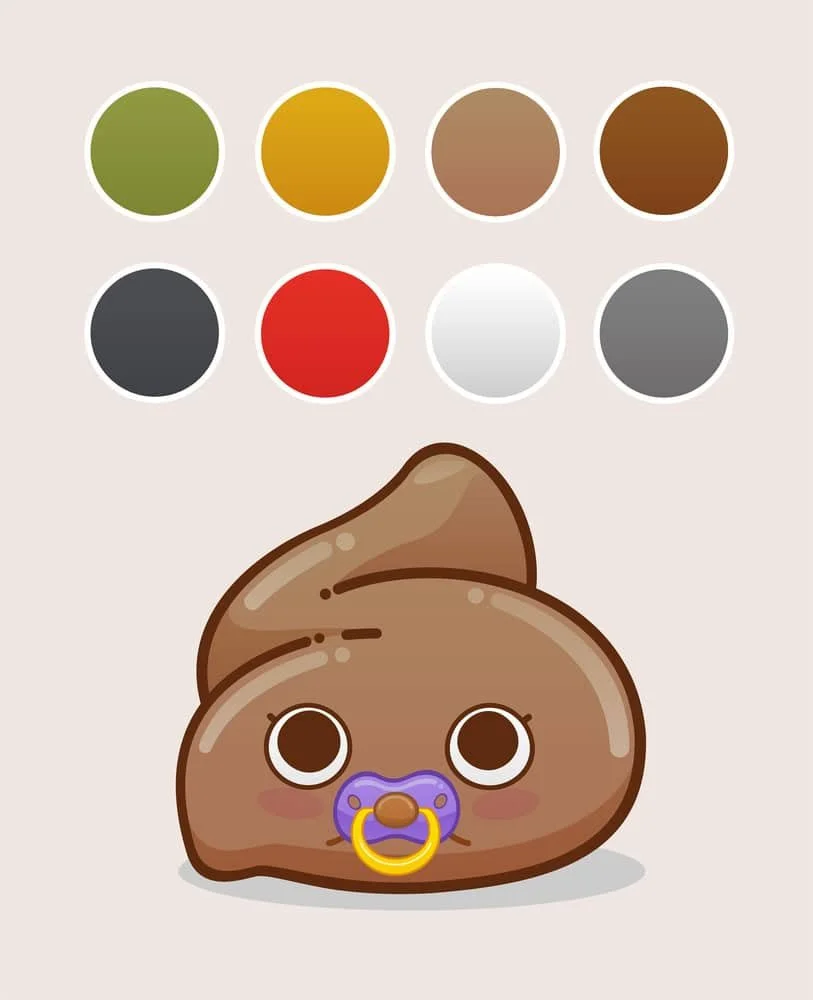
As a parent, you probably spend more time looking at poop than you ever imagined. I know I did, when my girls were tiny! While diaper changes may not be glamorous, your baby's stool can provide valuable clues about their diet, digestion, and overall health.
The good news is that many stool colors that worry parents are completely normal. Yellow, green, and light brown stools are all common in healthy infants. However, there are a few colors that should prompt a call to your pediatrician.
In this guide, we'll break down what different baby poop colors mean and when it's time to seek medical attention.
Why Does Baby Poop Change Color?
An infant's stool color is influenced by several factors, including age, feeding method, digestion, and the introduction of solid foods. Breastfed and formula-fed babies often have different stool patterns. As babies grow and begin eating solids, stool color and consistency naturally change as well.
Because of these normal variations, it is important to look at the whole picture rather than focusing on a single diaper. Let’s take a look at some of the most common variants…
Black or Dark Green Poop: Meconium
The first stools passed after birth are called meconium. Meconium is thick, sticky, and almost black in color. It is made up of intestinal cells, mucus, and amniotic fluid that accumulated during pregnancy.
Most full-term infants pass meconium within the first 24 to 48 hours after birth. Over the next few days, stools gradually transition from dark green and black to the more typical colors seen in milk-fed babies.
During this transition period, usually between days two and five, many parents are surprised to see stools that are greenish-brown. These "transitional stools" are completely normal and simply reflect the digestive system shifting from processing meconium to processing milk. Within a few days, stools will settle into the more typical yellow described below.
Seeing black or very dark green stools during the first several days of life is completely normal. Once your baby is several days old, however, new black stools should be discussed with your healthcare provider.
Yellow Poop: The Classic Breastfed Baby Stool
Yellow is considered one of the most common and healthiest stool colors in infancy.
Breastfed babies often have bright yellow, mustard-colored stools that may contain small seed-like particles. These stools are usually soft and occur frequently, especially during the first few months of life.
Research consistently shows that breastfed infants have more frequent, softer, and more yellow-colored stools than formula-fed infants. Yellow stool is generally a sign that digestion is working normally and milk is moving efficiently through the digestive tract.
Green Poop: Usually Nothing to Worry About
Green stool is one of the most common reasons parents contact their pediatrician, but it is usually a normal variation.
Studies have found that nearly half of healthy infants experience green stools for at least one week during the first several months of life. Green stools occur in both breastfed and formula-fed babies at similar rates.
Green poop may be more common when babies stool frequently. It is also commonly seen in babies who drink iron-fortified formula.
You may have read online that green stools in breastfed babies are caused by a "foremilk/hindmilk imbalance," which is the idea that the baby is getting too much of the lower-fat milk at the beginning of a feed and not enough of the richer milk that follows.
While this concept is widely shared, most lactation experts and pediatricians caution against overinterpreting it. Green stools alone are not a reliable sign of feeding imbalance, and making dramatic changes to breastfeeding technique based on stool color alone is rarely necessary. If you have concerns about your milk supply or your baby's feeding, speak with a lactation consultant rather than adjusting feeds based on diaper color.
Many parents also mistakenly assume green stools indicate an allergy, illness, or digestive problem. In reality, green stools in an otherwise healthy, growing infant are usually completely normal. If your baby is feeding well, gaining weight, and acting like themselves, green poop alone is rarely a cause for concern.
Light Brown and Orange Poops: More Normal Variants
Light brown stools are also considered a normal finding in infants. As babies grow, stool color often varies between shades of yellow, tan, and light brown. These changes are typically related to normal digestive processes and dietary changes. Once solid foods are introduced, brown stools become increasingly common.
Another common color change when starting solids is orange stools. Orange stool is one of the most Googled baby diaper colors, and one of the least discussed in parenting guides. The good news is that orange poop is almost always harmless.
In young infants who have not yet started solids, orange stools can simply be a variation of the normal yellow-to-tan spectrum.
Once solid foods are introduced, orange stools become even more common and are usually a direct reflection of what the baby has been eating. Foods like carrots, sweetpotatoes, squash, and apricots are high in beta-carotene, which can temporarily turn stool a bright orange color.
Orange stools are generally no cause for concern in an otherwise healthy, growing baby. If orange stools are accompanied by poor feeding, weight loss, vomiting, or other symptoms, check in with your pediatrician.
How Feeding Method Affects Stool Color
A baby's diet plays a major role in what shows up in the diaper. Breastfed babies typically have yellow stools that are softer and more frequent. Formula-fed babies often have stools that range from yellow to green or brown and may be slightly firmer.
Iron-fortified formulas deserve special mention because they commonly cause green stools. This color change is harmless and does not mean the formula is causing a problem.
Parents should also remember that stool color is only one piece of the puzzle. Consistency, frequency, feeding patterns, growth, and overall health provide important context when evaluating what is normal.
Pale, Gray, or White Poop: Call Your Pediatrician
Among all stool colors, pale, gray, or white stools are the most concerning. These colors can indicate that bile is not reaching the intestines properly. Bile normally gives stool its characteristic yellow, green, or brown color. When bile flow is blocked, stools can become very pale or chalky in appearance.
The American Academy of Pediatrics recommends that infants with pale, gray, or white stools be evaluated promptly. Testing often includes measurement of direct or conjugated bilirubin levels to screen for conditions such as biliary atresia and other liver diseases.
Biliary atresia is a rare but serious condition that requires early diagnosis and treatment. If you notice pale, gray, or white stools, contact your child's healthcare provider right away.
Red or Bloody Poop: Don't Ignore It
Seeing blood in your baby's stool can be alarming. While there are some relatively common and treatable causes, blood should never be ignored.
One of the most common causes of bloody stools in young infants is food protein-induced allergic proctocolitis (FPIAP). This condition is often triggered by cow's milk protein and sometimes soy protein. Babies may have loose stools that contain blood and mucus but otherwise appear healthy.
Anal fissures, which are tiny tears in the skin around the anus, are another common cause of blood in the stool. These often occur when babies pass firmer stools due to constipation. Less common but more serious causes include intestinal infections, intussusception, and necrotizing enterocolitis in premature infants.
If you notice blood in your baby's diaper, contact your pediatrician for guidance.
What About Frothy, Mucousy, or Greasy Stools?
Color is not the only thing that can provide clues about your baby's health. Occasionally, parents may notice stools that appear frothy, mucousy, or unusually greasy.
Frothy or foamy stools are often harmless and can occur in breastfed babies who are getting a larger volume of lower-fat milk. They may also be seen with temporary lactose intolerance after a stomach illness. If frothy stools are persistent or occur alongside poor weight gain, significant fussiness, or severe diaper rash, talk with your pediatrician.
Small amounts of mucus in stool can be a normal finding, especially in otherwise healthy infants. However, mucus that is persistent or accompanied by blood, poor growth, feeding difficulties, fever, or diarrhea should be evaluated by a healthcare provider. In some cases, mucousy stools may be linked to food allergies or intestinal infections.
Greasy, oily, bulky, or unusually foul-smelling stools may suggest difficulty digesting fat. If these stools continue beyond the newborn period or occur alongside poor weight gain, discuss them with your pediatrician.
When in doubt, look beyond a single diaper. Stool changes are most concerning when they occur together with symptoms such as blood, poor feeding, vomiting, fever, lethargy, or failure to gain weight appropriately.
When Should Parents Be Concerned?
Most stool colors fall within a normal range. Yellow, green, and light brown stools are typically healthy variations, especially when your baby is feeding well and growing appropriately.
You should contact your healthcare provider if your baby has:
Pale, gray, or white stools
Red or bloody stools
Black stools after the newborn period
Significant changes in stool accompanied by poor feeding, vomiting, fever, lethargy, or poor weight gain
Trust your instincts. If something about your baby's stool seems unusual or concerning, it is always appropriate to check with your pediatrician.
The Bottom Line
Baby poop comes in a surprising variety of colors, and most of them are completely normal. Yellow, green, and light brown stools are common in healthy infants and are often influenced by whether a baby is breastfed or formula-fed.
The stool colors parents should pay the closest attention to are pale, gray, white, and bloody stools. These colors can signal an underlying medical condition and should be evaluated by a healthcare professional.
While diaper changes may not be anyone's favorite parenting task, they can provide valuable insight into your baby's health. Understanding what different stool colors mean can help you feel more confident and know when it's time to seek medical advice.
If you are looking for more help with starting your baby on solids and introducing food allergens, check out my FREE Baby-Led Weaning Guide and my latest book, Safe and Simple Food Allergy Prevention: A Baby-Led Feeding Guide to Starting Solids and Introducing Allergens with 80 Family-Friendly Recipes.
If you're looking for personalized nutrition support for your babies or kids, I am currently accepting new clients in my virtual private practice and would love to meet with you.
Thanks for reading!